

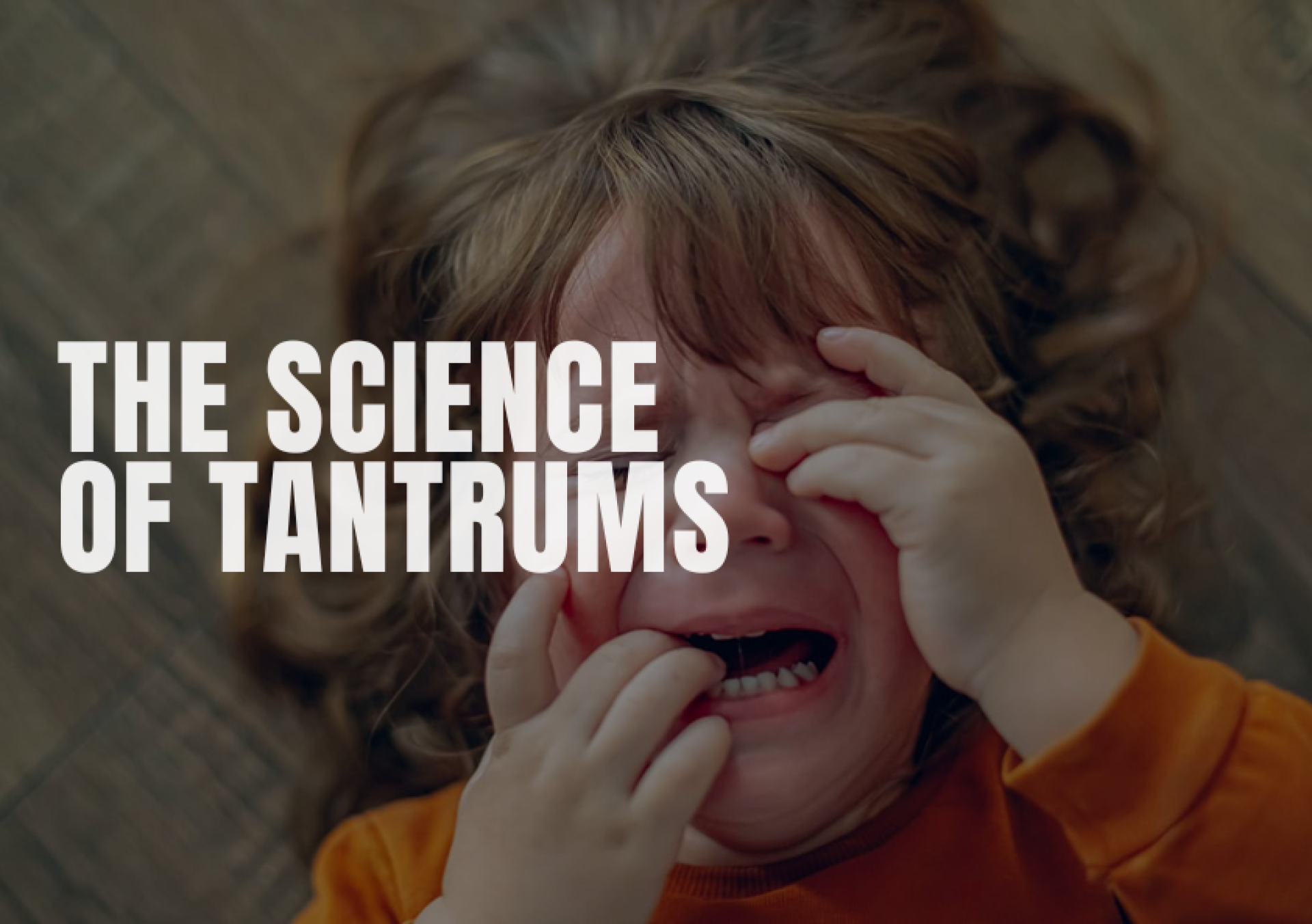
The Science of Tantrums: What’s Really Happening in the Brain?
Tantrums are one of the most misunderstood parts of childhood. Often labeled as “bad behavior,” they are actually a sign of a developing brain that is overwhelmed and under construction. Understanding the science behind tantrums can completely change how parents respond and reduce frustration for everyone involved.
The Emotional Brain Takes Control
At the center of every tantrum is the amygdala, the brain’s emotional alarm system. Its job is to detect danger and respond quickly. In young children, this system is highly sensitive and easily triggered. A simple “no,” a broken toy, or a sudden transition can feel like a serious threat.
Once the amygdala activates, the child enters fight-or-flight mode. The body prepares to defend itself, even though there is no real danger. Crying, screaming, hitting, or collapsing are natural stress responses not intentional misbehavior.
Why Reasoning Doesn’t Work
During a tantrum, the prefrontal cortex - the part of the brain responsible for reasoning, impulse control, and emotional regulation temporarily shuts down. This area is still developing throughout childhood and into early adulthood.
This means children literally cannot think logically when they are emotionally flooded. Telling them to “calm down,” “use your words,” or “stop crying” in the middle of a tantrum is neurologically unrealistic.
Big Emotions in Small Bodies
Children feel emotions intensely but have limited language and coping skills. Frustration, hunger, fatigue, overstimulation, and disappointment often stack up until the nervous system can no longer manage. Stress hormones like cortisol and adrenaline flood the body, making emotional reactions stronger and longer-lasting.
A tantrum is often the child’s only way of saying:
“I’m overwhelmed and I need help.”
The Role of Co-Regulation
Children are not born knowing how to regulate emotions. They learn by borrowing calm from adults. This process, called co-regulation, is essential for healthy emotional development.
When a caregiver stays calm, present, and supportive, the child’s nervous system slowly settles. Over time, the brain learns how to self-soothe. This is how emotional regulation is built not through punishment, but through connection.
Are Tantrums Normal?
Yes. Tantrums are most common between ages 1 and 4, when emotional intensity is high and self-control is low. As language skills improve and the brain matures, tantrums naturally decrease.
Rather than seeing tantrums as a problem, they can be viewed as a developmental milestone a sign that the child is learning independence but still needs support.
Why Tantrums Feel So Intense for Parents
Tantrums don’t just overwhelm children they overwhelm adults too. When a child screams or collapses in public, a parent’s own stress response often activates. The adult brain perceives judgment, loss of control, or fear of “doing something wrong,” which can trigger frustration or embarrassment. This is important because a dysregulated adult nervous system makes it harder to help a dysregulated child. Understanding this dynamic reminds parents that calming themselves first is not selfish it is essential.
The Role of Sensory Overload
Many tantrums are rooted in sensory overload rather than emotional defiance. Bright lights, loud sounds, itchy clothing, crowded spaces, or even strong smells can overwhelm a child’s nervous system. Unlike adults, children cannot easily identify or escape these triggers. When the brain receives too much sensory input, it reacts with a meltdown. Recognizing sensory overload helps parents respond with adjustments rather than discipline.
Why Transitions Trigger Tantrums
Moving from one activity to another leaving the park, turning off the TV, getting dressed often leads to tantrums. Neurologically, transitions require the brain to stop one process and start another, which is difficult for a developing brain. Children struggle to shift attention quickly, and the sudden loss of control can feel threatening. Preparing children in advance and offering predictability can significantly reduce these reactions.
Tantrums and the Stress Response Cycle
A tantrum follows a predictable stress cycle: activation, peak, and recovery. During activation, emotions rise rapidly. At the peak, reasoning is impossible. Recovery is the phase where learning and reassurance can occur. Many adults attempt to correct behavior at the peak, which prolongs the meltdown. Allowing the stress cycle to complete helps the nervous system reset faster.
What Children Learn From How We Respond
Children absorb emotional lessons from our reactions more than our words. When adults respond with calm presence, children learn that emotions are manageable and safe. When adults respond with anger or withdrawal, children may learn that emotions are dangerous or shameful. Over time, repeated calm responses help wire the brain for emotional security and resilience.
Why Ignoring Tantrums Isn’t Always Helpful
While some parents are told to ignore tantrums, neuroscience suggests this is not always effective especially for younger children. When a child is overwhelmed, ignoring them can increase fear and distress. A supportive presence, even without fixing the problem, helps the child’s nervous system settle. Emotional support does not mean giving in; it means guiding regulation.
Tantrums as a Sign of Emotional Growth
Ironically, tantrums often increase when children are learning new skills or gaining independence. As awareness grows faster than emotional control, frustration rises. This phase, though exhausting, signals cognitive and emotional development. With patience and consistent support, children move through it with stronger self-regulation skills.