

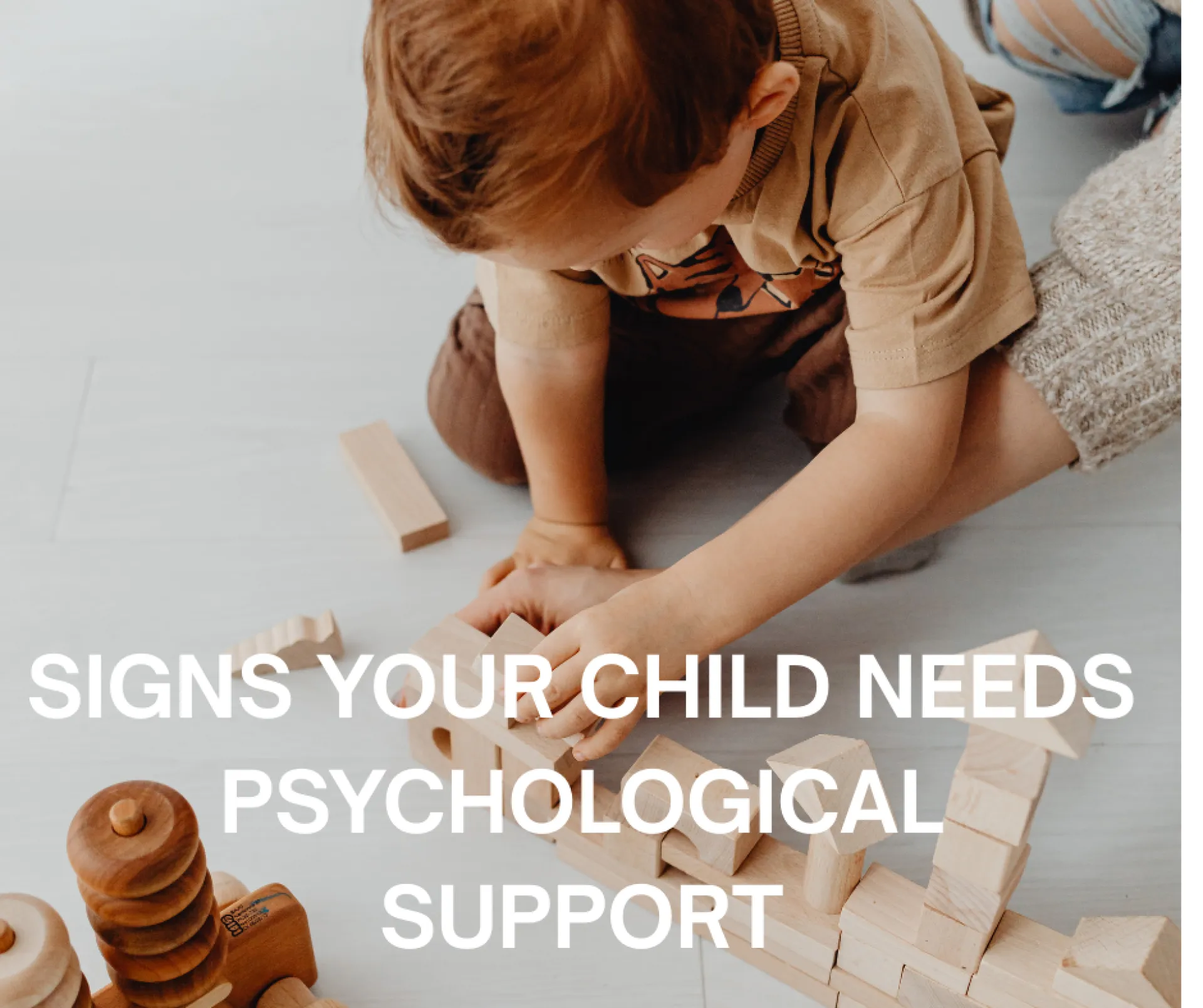
As parents, we all worry about our children. Mood swings, tantrums, academic stress, and social struggles are often part of growing up. But how do you know when those behaviors signal something more serious?
Understanding the Signs Your Child Needs Psychological Support can make a life-changing difference. Early intervention improves long-term outcomes, strengthens family relationships, and helps children build emotional resilience that lasts into adulthood.
This comprehensive guide is written with a strong EEAT (Experience, Expertise, Authoritativeness, and Trustworthiness) and YMYL (Your Money or Your Life) approach, ensuring the information is responsible, practical, and aligned with mental health standards in the United States, United Kingdom, Canada, and Australia.
Why Early Mental Health Support Matters
According to the Centers for Disease Control and Prevention, millions of children in the United States experience mental health challenges each year. Anxiety, depression, ADHD, and behavioral disorders are among the most common.
Untreated psychological concerns can affect:
-
Academic performance
-
Social development
-
Self-esteem
-
Family relationships
-
Long-term adult mental health
The earlier you recognize the Signs Your Child Needs Psychological Support, the better the outcomes.
What Is Psychological Support for Children?
Psychological support may include:
-
Child counseling
-
Cognitive behavioral therapy (CBT)
-
Family therapy
-
School-based mental health support
-
Pediatric psychiatric evaluation
Licensed professionals such as child psychologists, child psychiatrists, licensed clinical social workers, and therapists provide evidence-based care.
In the U.S., organizations like the American Academy of Child and Adolescent Psychiatry emphasize early identification and intervention.
15 Clear Signs Your Child Needs Psychological Support
Below are clinically recognized warning signs parents in the US, UK, Canada, and Australia should not ignore.
1. Persistent Sadness or Withdrawal
If your child seems sad, tearful, or withdrawn for more than two weeks, this may indicate depression.
Watch for:
-
Loss of interest in favorite activities
-
Avoiding friends
-
Spending excessive time alone
-
Saying things like “I don’t care anymore”
Persistent low mood is one of the strongest Signs Your Child Needs Psychological Support.
2. Extreme Anxiety or Constant Worry
All children worry sometimes. But excessive anxiety may show up as:
-
School refusal
-
Frequent stomachaches or headaches
-
Panic attacks
-
Fear of separation beyond age-appropriate levels
Childhood anxiety disorders are highly treatable when identified early.
3. Sudden Changes in Behavior
If your child suddenly becomes aggressive, defiant, or unusually quiet, this may signal emotional distress.
Behavioral red flags include:
-
Increased tantrums (beyond developmental stage)
-
Risk-taking behaviors
-
Lying or stealing
-
Self-isolation
Sudden change is often more concerning than long-standing personality traits.
4. Declining Academic Performance
A drop in grades, difficulty concentrating, or frequent complaints from teachers may indicate:
-
ADHD
-
Anxiety
-
Depression
-
Learning disorders
In the United States, parents can request school evaluations under federal education laws if academic decline is suspected to be linked to mental health.
5. Sleep Disturbances
Sleep and mental health are closely connected.
Watch for:
-
Insomnia
-
Frequent nightmares
-
Sleeping too much
-
Fear of sleeping alone
Chronic sleep issues can worsen anxiety and mood disorders.
6. Changes in Appetite or Weight
Noticeable weight loss or gain, emotional eating, or refusal to eat can be signs of deeper psychological distress.
If eating behaviors change dramatically, consult a pediatrician or child therapist.
7. Frequent Physical Complaints Without Medical Cause
Children often express emotional pain through physical symptoms.
Common complaints:
-
Headaches
-
Stomachaches
-
Fatigue
-
Nausea before school
If medical exams are normal, emotional stress may be the root cause.
8. Difficulty Managing Emotions
Emotional regulation develops gradually. However, if your child:
-
Explodes over small frustrations
-
Has uncontrollable anger
-
Breaks things frequently
-
Cannot calm down without extreme intervention
It may be time to seek professional evaluation.
9. Social Isolation or Bullying Issues
Children who are bullied or socially excluded may experience anxiety and depression.
Look for:
-
Avoiding school
-
Loss of friendships
-
Fear of social events
-
Sudden drop in confidence
Early support can prevent long-term trauma.
10. Self-Harm or Talk of Hopelessness
This is an urgent red flag.
Warning statements include:
-
“I wish I wasn’t here.”
-
“Nobody would care if I disappeared.”
-
Cutting or burning behaviors
If you observe these signs, seek immediate help through local emergency services or crisis hotlines in your country.
11. Trauma Exposure
Exposure to:
-
Divorce
-
Domestic violence
-
Abuse
-
Natural disasters
-
Serious illness
May lead to post-traumatic stress symptoms.
Professional trauma-informed therapy is essential in these cases.
12. Regression to Earlier Behaviors
Bedwetting, baby talk, or clinginess after a stressful event may signal emotional overwhelm.
Regression is one of the overlooked Signs Your Child Needs Psychological Support, especially in younger children.
13. Excessive Screen Time as Emotional Escape
While digital life is normal, using screens to avoid emotions may indicate distress.
Watch for:
-
Gaming all night
-
Anger when devices are removed
-
Avoiding real-life responsibilities
14. Risky or Self-Destructive Behavior (Teens)
Teenagers may show distress through:
-
Substance use
-
Reckless driving
-
Unsafe sexual behavior
-
Running away
Early psychological intervention reduces long-term harm.
15. Parental Intuition
Never underestimate your gut feeling.
If you sense something is wrong, even if you cannot explain it clearly, consult a professional. Parents often notice subtle emotional shifts before anyone else.
When to Seek Immediate Help
Seek urgent care if your child:
-
Expresses suicidal thoughts
-
Engages in self-harm
-
Shows violent behavior toward others
-
Appears disconnected from reality
In the U.S., you can contact 988 (Suicide & Crisis Lifeline). In the UK, Samaritans are available at 116 123. Similar crisis services exist in Canada and Australia.
How to Talk to Your Child About Mental Health
Approach the conversation gently:
-
Choose a calm moment.
-
Avoid judgment.
-
Use open-ended questions.
-
Validate their feelings.
Example:
“I’ve noticed you seem overwhelmed lately. I care about you and want to understand how you’re feeling.”
Children are more likely to open up when they feel safe and not criticized.
How to Find the Right Mental Health Professional
In the United States, start with:
-
Your child’s pediatrician
-
Licensed child psychologist
-
Licensed clinical social worker
-
School counselor
Verify credentials through state licensing boards.
Look for providers who specialize in:
-
Child anxiety therapy
-
Child depression counseling
-
ADHD evaluation
-
Trauma-focused CBT
Parents in first-tier countries often use insurance directories or private practice networks.
What Therapy Looks Like for Children
Many parents worry therapy will feel clinical or intimidating.
In reality, child therapy often includes:
-
Play therapy
-
Art therapy
-
Talk-based sessions
-
Parent guidance sessions
Therapists tailor approaches based on age and developmental stage.
Breaking the Stigma Around Child Mental Health
Mental health is just as important as physical health.
Seeking support does not mean:
-
You failed as a parent
-
Your child is “broken”
-
There is something wrong with your family
It means you are proactive and protective.
Long-Term Benefits of Early Psychological Support
Research shows early intervention can:
-
Improve emotional regulation
-
Strengthen academic outcomes
-
Reduce risk of substance abuse
-
Improve adult mental health
-
Strengthen family communication
Recognizing the Signs Your Child Needs Psychological Support early can completely shift your child’s life trajectory.
Frequently Asked Questions (US-Focused)
Is child therapy covered by insurance in the U.S.?
Many private insurance plans and Medicaid plans cover mental health services. Coverage varies, so check your provider directory.
How long does child therapy last?
It depends on the issue. Some children benefit from short-term therapy (8–12 sessions), while others need longer-term support.
At what age can a child start therapy?
Children as young as 3–4 years old can benefit from play therapy if emotional or behavioral issues are present.
Final Thoughts: Trust Your Instincts
Parenting does not come with a manual. But paying attention to the Signs Your Child Needs Psychological Support is one of the most powerful steps you can take.
If something feels off:
-
Ask questions
-
Seek guidance
-
Reach out for professional support
Early help is not a sign of weakness — it is a sign of responsible, informed parenting.
Your child’s mental health matters. And taking action today can shape a healthier, happier tomorrow.