

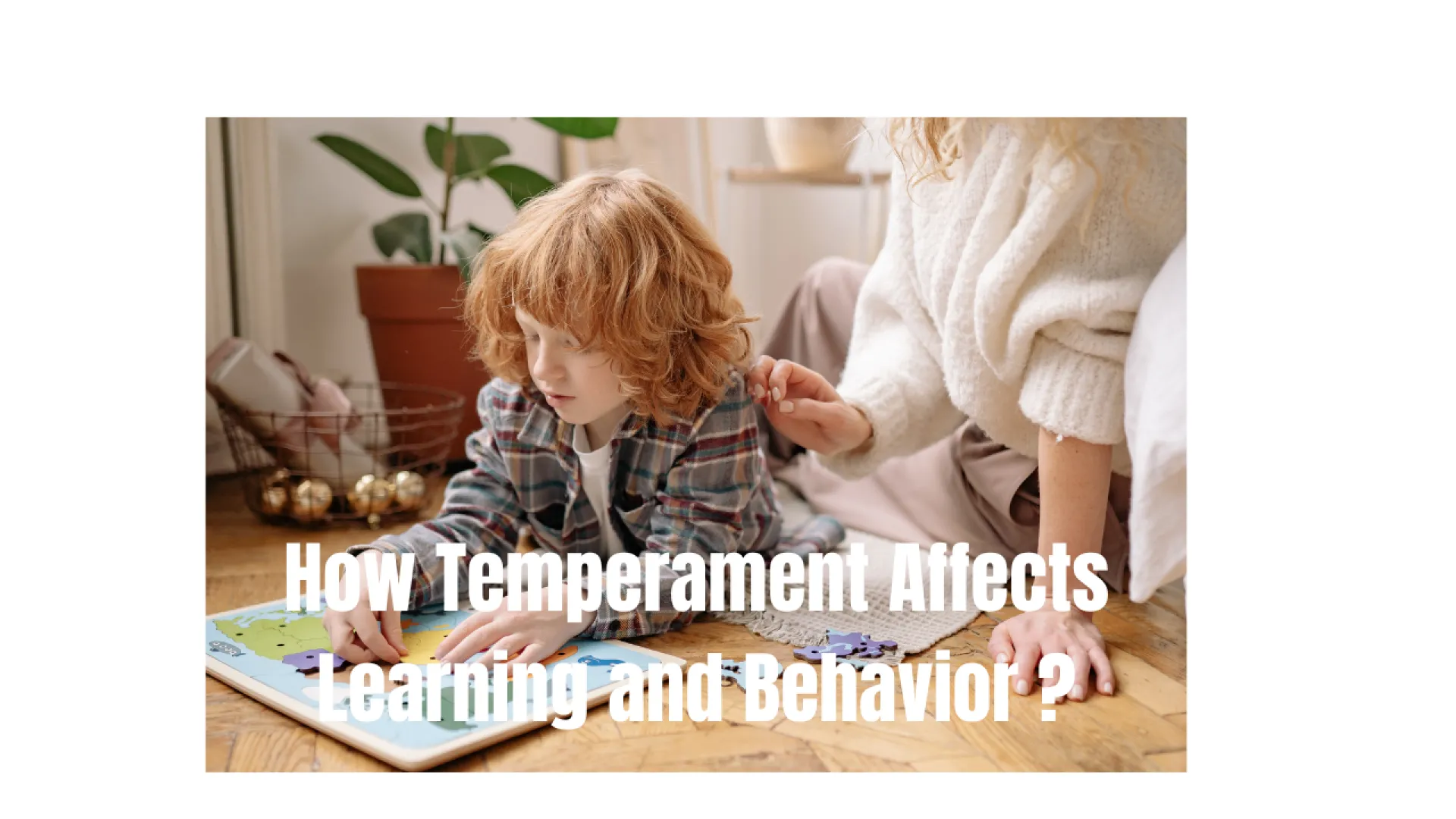
Every child is born with a unique temperament. Some children are naturally calm and adaptable. Others are sensitive, intense, or slow to warm up in new environments. These inborn differences influence how children respond to school, relationships, stress, and authority.
Understanding How Temperament Affects Learning and Behavior is essential for parents and educators who want to support children’s academic success and emotional well-being.
In this research-based guide, we will explore:
-
What temperament really means
-
The science behind personality and brain development
-
How temperament influences classroom learning
-
The connection between temperament and behavior challenges
-
When to seek professional guidance
-
Practical, evidence-based parenting and teaching strategies
This topic falls under YMYL (Your Money or Your Life) because child mental health and educational outcomes directly impact lifelong well-being, financial stability, and psychological health. All information provided here is educational and evidence-informed.
What Is Temperament?
Temperament refers to biologically based individual differences in emotional reactivity, self-regulation, and behavior patterns that appear early in life.
Research from the American Psychological Association defines temperament as stable traits observable in infancy that shape how children respond to their environment.
Temperament is not:
-
A parenting failure
-
A behavioral disorder
-
A fixed destiny
It is a foundation — and understanding it helps explain How Temperament Affects Learning and Behavior throughout childhood and beyond.
The Three Classic Temperament Types
Developmental researchers Alexander Thomas and Stella Chess identified three broad temperament categories:
1. Easy Temperament
-
Adaptable to change
-
Generally positive mood
-
Regular sleep and eating patterns
-
Lower intensity reactions
These children often adjust well to preschool and structured classroom settings.
2. Difficult Temperament
-
Intense emotional responses
-
Sensitive to transitions
-
Strong reactions to frustration
-
Irregular routines
These children may struggle in rigid classroom environments but often show leadership potential and strong persistence when supported appropriately.
3. Slow-to-Warm-Up Temperament
-
Cautious in new situations
-
Gradual adjustment
-
Quiet observation before participation
These children may need more time to adapt but often develop strong reflective thinking skills.
Understanding these patterns clarifies How Temperament Affects Learning and Behavior in real-world settings.
The Brain Science Behind Temperament
Temperament has biological roots. Brain imaging research shows differences in:
-
Amygdala sensitivity (emotional processing)
-
Prefrontal cortex activity (self-regulation)
-
Dopamine systems (motivation and reward)
The Harvard University Center on the Developing Child emphasizes that while temperament is biologically influenced, supportive caregiving can significantly shape outcomes.
In other words: biology loads the gun, environment pulls the trigger.
How Temperament Affects Learning in Preschool and Elementary School
1. Attention and Focus
Children with high activity levels may struggle to sit still during structured lessons. This does not automatically indicate ADHD. It may reflect natural temperament differences.
However, persistent attention difficulties should be evaluated by a pediatrician or developmental specialist.
2. Emotional Regulation
Highly sensitive children may:
-
Become overwhelmed by loud classrooms
-
Cry easily during criticism
-
Avoid competitive activities
Yet these same children often show strong empathy and creativity.
3. Risk-Taking vs. Caution
Bold children may:
-
Volunteer answers quickly
-
Take leadership roles
-
Experiment creatively
Cautious children may:
-
Prefer predictable routines
-
Avoid public speaking
-
Excel in structured, quiet tasks
Teachers who recognize these differences can adjust instructional methods accordingly.
Temperament and Behavior Challenges
When temperament mismatches the environment, behavior problems may increase.
For example:
-
A high-energy child in a rigid classroom may be labeled “disruptive.”
-
A slow-to-warm child may be labeled “shy” or “withdrawn.”
Understanding How Temperament Affects Learning and Behavior prevents mislabeling and reduces unnecessary discipline.
Behavior often reflects unmet needs, not defiance.
The “Goodness of Fit” Concept
The concept of “goodness of fit” refers to how well a child’s temperament matches their environment.
A supportive environment:
-
Adjusts expectations
-
Encourages strengths
-
Provides regulation tools
-
Respects individuality
When there is good fit, children thrive. When there is mismatch, stress increases.
Temperament and Mental Health
Temperament influences risk for certain conditions:
-
Highly reactive children may be more prone to anxiety
-
Impulsive children may struggle with impulse control
-
Extremely withdrawn children may show social avoidance
However, temperament alone does not cause mental illness.
Early supportive relationships act as protective factors.
If concerns persist, consult licensed child psychologists, pediatricians, or developmental specialists in your country.
Parenting Strategies Based on Temperament
Understanding How Temperament Affects Learning and Behavior allows parents to tailor strategies.
For Highly Sensitive Children:
-
Prepare them for transitions
-
Validate emotions
-
Avoid harsh discipline
-
Create predictable routines
For High-Energy Children:
-
Provide structured physical outlets
-
Break tasks into shorter segments
-
Use positive reinforcement
-
Encourage leadership roles
For Slow-to-Warm Children:
-
Allow gradual exposure to new settings
-
Avoid forcing social interaction
-
Celebrate small steps
-
Build confidence gently
Parenting is not about changing temperament — it’s about guiding it.
Temperament in Adolescence and Adulthood
Early temperament influences:
-
Career preferences
-
Leadership style
-
Relationship patterns
-
Stress management
For example:
-
Reflective children may excel in research or creative fields.
-
High-energy children may thrive in entrepreneurship or athletics.
-
Cautious children may succeed in analytical professions.
Recognizing these patterns helps parents nurture strengths instead of focusing only on weaknesses.
Cultural Context: US, UK, Canada & Australia
Western education systems often reward:
-
Verbal participation
-
Independence
-
Self-confidence
-
Quick decision-making
Children with quieter temperaments may be misunderstood.
Educators increasingly emphasize inclusive practices to support diverse personality traits.
This reflects growing awareness of How Temperament Affects Learning and Behavior in global education policy.
Temperament vs. ADHD: Understanding the Difference
High activity does not automatically equal ADHD.
The Centers for Disease Control and Prevention states that ADHD diagnosis requires persistent impairment across multiple settings.
If a child:
-
Struggles severely in multiple environments
-
Shows chronic impulsivity
-
Experiences academic decline
Consult a licensed professional for proper evaluation.
Early diagnosis leads to better outcomes.
Trauma and Temperament
Children exposed to trauma may show changes in:
-
Emotional reactivity
-
Attention span
-
Impulse control
It is important to distinguish temperament from trauma response.
Trauma-informed therapy and stable caregiving can improve regulation significantly.
The Role of Teachers in Supporting Temperament Differences
Teachers can:
-
Offer flexible seating
-
Allow movement breaks
-
Use differentiated instruction
-
Encourage varied participation styles
-
Avoid public shaming
A classroom that respects temperament diversity improves overall academic outcomes.
Frequently Asked Questions
Can temperament change over time?
Temperament remains relatively stable, but self-regulation skills improve with maturity and supportive guidance.
Is difficult temperament a bad sign?
No. Many children with intense temperaments become resilient, passionate adults when guided appropriately.
Should shy children be pushed to socialize?
Gentle encouragement is helpful, but forcing social interaction can increase anxiety.
When should parents seek help?
Seek professional guidance if behavior significantly interferes with school, relationships, or daily functioning.
Long-Term Impact: Why This Matters
Understanding How Temperament Affects Learning and Behavior improves:
-
Academic success
-
Emotional well-being
-
Classroom management
-
Parenting confidence
-
Mental health outcomes
Early support reduces:
-
Behavioral referrals
-
School suspension
-
Anxiety disorders
-
Academic underachievement
This is why temperament research is a growing focus in child psychology across high-income countries.
Final Thoughts for Parents and Educators
Your child’s temperament is not a flaw.
It is a blueprint.
Some children need more movement.
Some need more reassurance.
Some need more time.
When adults respond with understanding rather than frustration, children develop resilience and confidence.
If concerns arise, consult licensed healthcare or mental health professionals in your country for personalized guidance.