

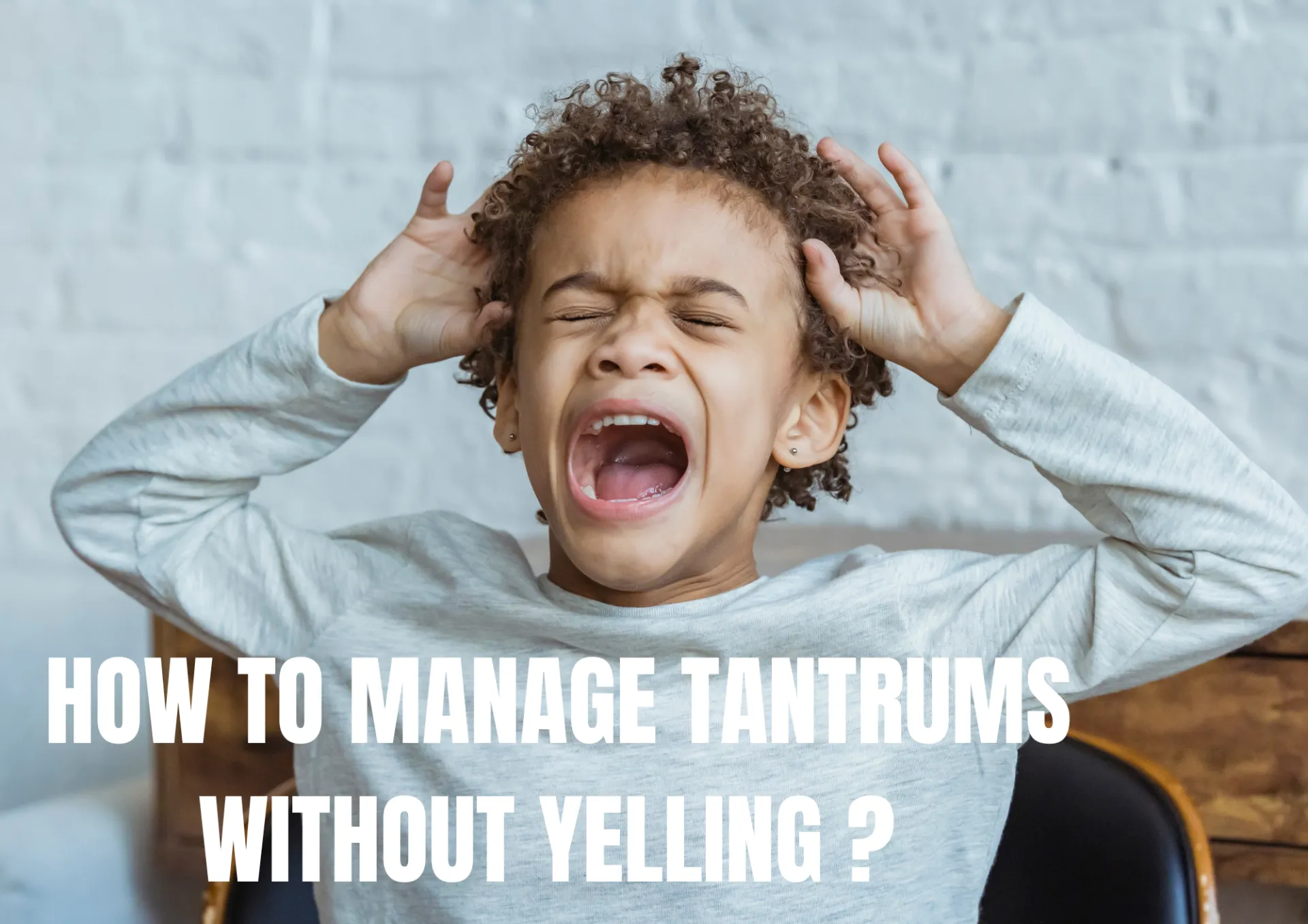
Tantrums can make even the most patient parent feel overwhelmed. Whether it’s a toddler screaming in the grocery store or a school-aged child melting down over homework, the emotional intensity can trigger frustration fast.
But here’s the truth:
You can learn how to manage tantrums without yelling.
Yelling may stop the noise temporarily, but research shows it often increases anxiety, aggression, and emotional dysregulation long-term. If your goal is to raise emotionally strong, resilient children — not fearful or reactive ones — this guide will walk you through science-backed strategies that truly work.
This article is grounded in child development research and aligns with recommendations from organizations like the American Academy of Pediatrics and the Centers for Disease Control and Prevention, both of which emphasize positive discipline and nurturing relationships as key to healthy development.
Why Tantrums Happen (And Why They’re Not “Bad Behavior”)
Before learning how to manage tantrums without yelling, it’s important to understand what tantrums actually are.
Tantrums are:
-
Emotional overload
-
Nervous system dysregulation
-
Skill deficits in communication
-
Developmentally normal
Young children’s brains are still developing — particularly the prefrontal cortex, which controls impulse regulation and logical thinking. When emotions surge, logic goes offline.
In simple terms:
A tantrum is a child’s nervous system saying, “I can’t handle this.”
When we see tantrums as communication instead of defiance, our response shifts from punishment to guidance.
The Hidden Damage of Yelling
Many parents don’t intend to yell — it happens in the heat of the moment. But repeated yelling can:
-
Increase cortisol (stress hormone) levels
-
Trigger fear responses
-
Model aggressive communication
-
Damage parent-child trust
Research in child psychology consistently shows that harsh verbal discipline is linked to increased behavioral problems and anxiety over time.
If you’re trying to figure out how to manage tantrums without yelling, the first step is recognizing that yelling escalates — it doesn’t regulate.
Step 1: Regulate Yourself First
You cannot calm a dysregulated child while you’re dysregulated.
This is the foundation of how to manage tantrums without yelling.
When your child screams, your nervous system reacts. Your heart rate increases. Your body goes into fight-or-flight mode.
Pause. Breathe.
Try this quick reset:
-
Inhale for 4 seconds
-
Hold for 4 seconds
-
Exhale for 6 seconds
Even one slow breath helps signal safety to your brain.
Calm is contagious — but so is chaos.
Step 2: Connection Before Correction
During a tantrum, logic doesn’t work. Lectures don’t work. Threats don’t work.
Connection works.
Instead of:
“Stop it right now!”
Try:
“I see you’re really upset.”
“That feels frustrating, doesn’t it?”
Validation does NOT mean agreement. It means acknowledging feelings.
This builds emotional intelligence and trust — key factors in how to manage tantrums without yelling.
Step 3: Lower Your Voice (Instead of Raising It)
It sounds simple, but it’s powerful.
When you lower your voice:
-
Your child must quiet down to hear you
-
The nervous system begins to regulate
-
You model emotional control
Whispering often works better than shouting.
Children mirror emotional tone.
Step 4: Use Fewer Words
During emotional overload, children process less language.
Instead of long explanations, say:
-
“You’re safe.”
-
“I’m here.”
-
“Let’s breathe together.”
Short phrases reduce overwhelm.
Step 5: Teach Emotional Vocabulary
Children who can name feelings are less likely to explode.
Teach phrases like:
-
“I’m frustrated.”
-
“I’m disappointed.”
-
“I’m overwhelmed.”
The more emotional vocabulary they have, the fewer tantrums they need to express themselves.
This is one of the most overlooked strategies in how to manage tantrums without yelling.
Step 6: Identify Common Triggers
Tantrums often have predictable triggers:
-
Hunger
-
Fatigue
-
Overstimulation
-
Transitions
-
Screen time removal
-
Lack of control
In many US households, screen time battles are a leading cause of emotional meltdowns.
The American Academy of Pediatrics recommends structured media plans and consistent routines to reduce conflict.
Prevention is easier than reaction.
Age-Specific Strategies for Managing Tantrums
Toddlers (Ages 2–4)
Tantrums are most common here.
What works:
-
Redirection
-
Physical comfort
-
Predictable routines
-
Visual schedules
Toddlers don’t need lectures. They need co-regulation.
Preschool & Early Elementary
At this stage, children begin testing independence.
Effective strategies:
-
Offer choices (“Red cup or blue cup?”)
-
Prepare for transitions
-
Use calm problem-solving afterward
After the tantrum:
“What could we do differently next time?”
Reflection builds long-term skills.
Older Kids & Preteens
Tantrums may look like:
-
Door slamming
-
Yelling
-
Emotional shutdown
Strategies:
-
Respectful listening
-
Collaborative solutions
-
Clear, consistent boundaries
Older kids need dignity alongside discipline.
What to Do in Public Meltdowns
Public tantrums can trigger embarrassment and pressure.
Here’s how to manage tantrums without yelling in public:
-
Stay physically close
-
Keep voice low
-
Remove child from overstimulating area if needed
-
Avoid threatening or shaming
Most strangers forget within minutes. Your child remembers your response much longer.
After the Tantrum: The Repair Phase
The tantrum is not the teaching moment.
The calm afterward is.
When everyone is regulated:
-
Discuss what happened
-
Practice alternative responses
-
Reassure love and safety
Example:
“You were really upset when we left the park. Next time, let’s set a timer so you know when it’s time to go.”
Repair strengthens connection.
When Tantrums Signal Something More
Occasional tantrums are normal.
However, seek professional guidance if you notice:
-
Tantrums lasting 30+ minutes regularly
-
Aggression causing injury
-
Self-harm behaviors
-
Extreme anxiety
-
Regression in development
Consult your pediatrician or a licensed child psychologist if concerns persist. Early intervention supports healthy emotional development.
The Long-Term Benefits of Managing Tantrums Without Yelling
Children raised in emotionally safe environments tend to:
-
Develop stronger self-regulation
-
Have lower anxiety levels
-
Build secure attachment
-
Exhibit better academic focus
-
Develop healthier peer relationships
Learning how to manage tantrums without yelling is not just about stopping behavior.
It’s about shaping emotional resilience.
Practical Daily Habits That Reduce Tantrums
Consistency reduces emotional explosions.
Try:
-
Predictable bedtime routines
-
Balanced nutrition
-
Outdoor physical activity
-
Limited overstimulation
-
One-on-one connection time daily
Even 10 minutes of focused connection can dramatically reduce behavioral outbursts.
Common Mistakes Parents Make
1. Taking It Personally
Tantrums are developmental — not attacks.
2. Over-Explaining During Meltdown
Regulate first. Teach later.
3. Inconsistent Boundaries
Calm does not mean permissive. Boundaries must remain firm.
You Don’t Have to Be Perfect
No parent handles every tantrum calmly.
If you yell, repair it.
“I’m sorry I raised my voice. I’m working on staying calm.”
Modeling accountability teaches emotional maturity.
Children don’t need perfect parents.
They need responsive ones.
Final Thoughts: Calm Is a Skill — For Both of You
Learning how to manage tantrums without yelling is not about suppressing behavior.
It’s about:
-
Teaching regulation
-
Modeling calm
-
Building emotional intelligence
-
Creating long-term resilience
Tantrums are temporary.
The emotional skills you teach last a lifetime.
And when you respond with calm instead of chaos, you’re not just stopping a meltdown ,you’re shaping a secure, confident future adult.