

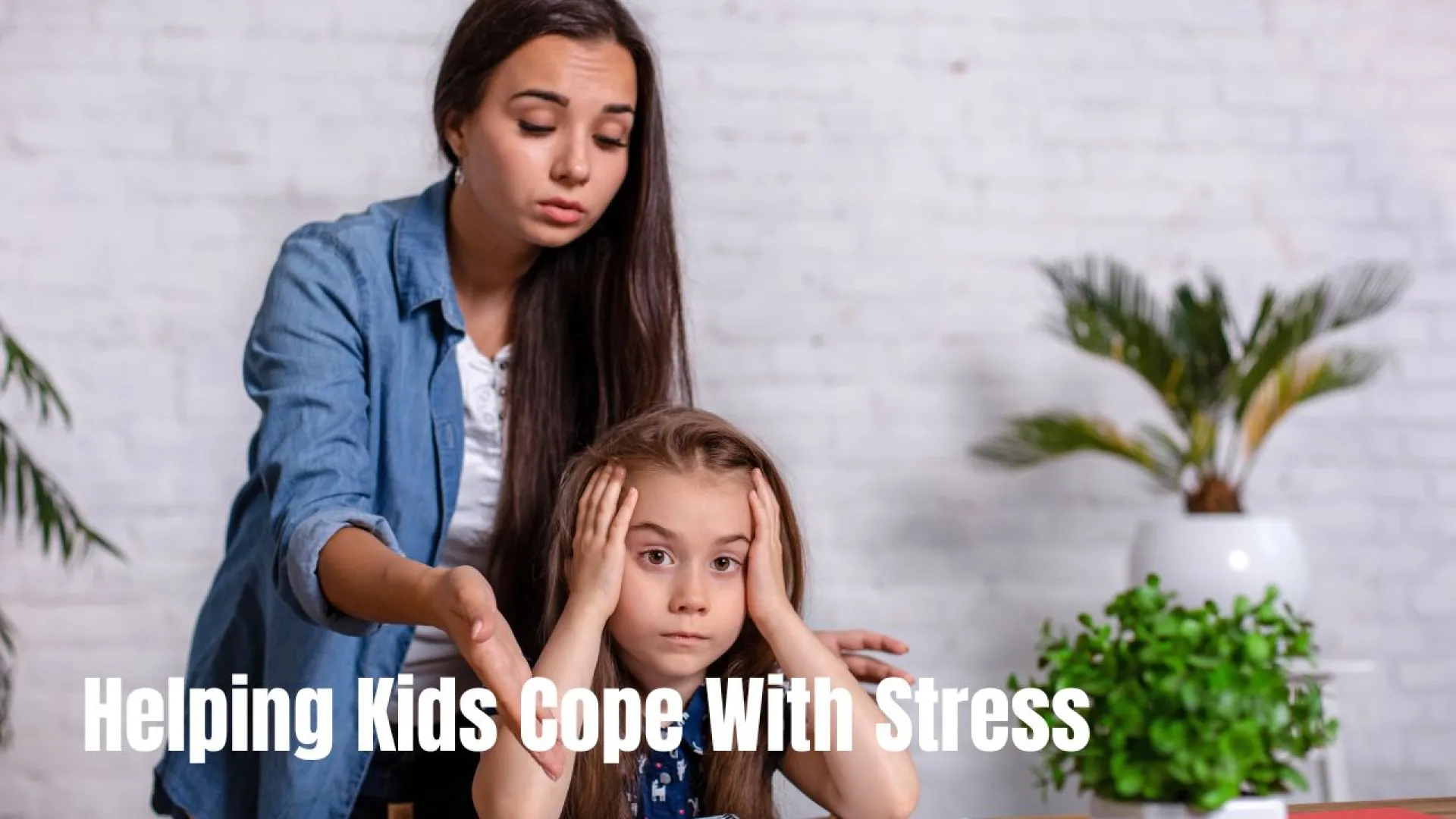
Before focusing on solutions, it’s important to understand the root causes. Stress in children doesn’t always look the same as it does in adults.
Common Stress Triggers:
- Academic pressure and performance expectations
- Social challenges (friendships, bullying, peer comparison)
- Family conflicts or changes (divorce, relocation, loss)
- Over-scheduling and lack of downtime
- Exposure to news, social media, or digital overstimulation
Even seemingly small events—like a disagreement with a friend—can feel overwhelming to a child.
Signs Your Child May Be Stressed
Recognizing stress early is key to helping kids cope effectively.
Emotional Signs:
- Irritability or mood swings
- Increased crying or withdrawal
- Anxiety or excessive worry
Physical Signs:
- Headaches or stomach aches
- Changes in sleep patterns
- Loss of appetite
Behavioral Signs:
- Avoidance of school or activities
- Difficulty concentrating
- Regression (e.g., bedwetting, clinginess)
If these signs persist, it’s important to take them seriously.
Why Helping Kids Cope With Stress Matters
Children who learn to manage stress early develop stronger coping skills as adults. They are more likely to:
- Build healthy relationships
- Perform better academically
- Maintain better mental health
- Handle life challenges with confidence
On the other hand, unmanaged stress can lead to anxiety disorders, depression, and behavioral issues later in life.
1. Build a Safe Emotional Environment
The foundation of helping kids cope with stress starts at home.
Children need to feel safe expressing their thoughts without fear of judgment or punishment.
What You Can Do:
- Listen actively without interrupting
- Validate their feelings (“I understand that was hard for you”)
- Avoid dismissing emotions (“It’s not a big deal”)
When children feel heard, their stress levels naturally decrease.
2. Teach Emotional Awareness
Many children struggle because they don’t understand what they’re feeling.
Helping kids label emotions is a powerful step toward stress management.
Simple Techniques:
- Use emotion charts or feeling words
- Ask open-ended questions: “How did that make you feel?”
- Model emotional expression yourself
Emotional awareness builds self-regulation, a critical life skill.
3. Create Consistent Routines
Predictability reduces anxiety in children.
A structured routine gives children a sense of control and stability.
Key Areas to Focus On:
- Consistent bedtime and wake-up times
- Regular meal schedules
- Balanced study and playtime
Routine doesn’t mean rigidity—it means reliability.
4. Encourage Healthy Lifestyle Habits
Physical health and mental health are deeply connected.
Essential Habits:
- Sleep: Kids need adequate sleep (8–12 hours depending on age)
- Nutrition: Balanced meals support brain function
- Exercise: Physical activity reduces stress hormones
Even simple activities like outdoor play can significantly improve mood.
5. Limit Screen Time and Digital Stress
Children today are exposed to more information than ever before.
Excessive screen time can increase anxiety, reduce sleep quality, and overstimulate the brain.
Tips:
- Set clear screen time limits
- Encourage offline activities
- Monitor content consumption
A digital detox, even for a few hours daily, can make a big difference.
6. Teach Problem-Solving Skills
Instead of solving every problem for your child, guide them to find solutions.
This builds independence and confidence.
Try This Approach:
- Identify the problem
- Brainstorm possible solutions
- Evaluate outcomes together
- Let them choose a solution
Problem-solving reduces feelings of helplessness,a major contributor to stress.
7. Practice Relaxation Techniques
Teaching children simple relaxation techniques can help them calm down during stressful moments.
Effective Methods:
- Deep breathing exercises
- Guided imagery (imagining a calm place)
- Progressive muscle relaxation
Even 5 minutes of mindfulness can reset a child’s emotional state.
8. Encourage Open Communication
Children should feel comfortable talking about their stress.
How to Foster Communication:
- Spend one-on-one time daily
- Ask about their day without pressure
- Be approachable and non-judgmental
Sometimes, just talking about stress reduces its intensity.
9. Model Healthy Stress Management
Children learn more from what you do than what you say.
If they see you handling stress calmly, they are more likely to do the same.
Be a Role Model:
- Manage your own stress effectively
- Avoid reacting with anger or panic
- Share how you cope with challenges
Your behavior sets the standard.
10. Avoid Over-Scheduling
Many children today are overwhelmed with activities.
While extracurriculars are beneficial, too many can lead to burnout.
Balance Is Key:
- Allow free play and downtime
- Let children choose activities they enjoy
- Watch for signs of fatigue
Rest is not laziness,it’s essential for mental health.
11. Support Social Connections
Strong relationships act as a buffer against stress.
Encourage your child to build healthy friendships.
Ways to Help:
- Arrange playdates
- Teach social skills
- Encourage teamwork activities
Feeling connected reduces loneliness and anxiety.
12. Recognize When to Seek Professional Help
Sometimes, stress goes beyond what can be managed at home.
Consider Professional Support If:
- Symptoms persist for weeks
- Stress interferes with daily life
- Your child shows signs of severe anxiety or depression
Seeking help is not a failure,it’s responsible parenting.
Common Mistakes to Avoid
While trying to help, parents sometimes unintentionally make things worse.
Avoid These:
- Minimizing your child’s feelings
- Comparing them to others
- Forcing them to “be strong”
- Ignoring signs of stress
Empathy and patience go a long way.
Practical Daily Routine for Stress-Free Kids
Here’s a simple daily structure to support emotional balance:
Morning:
- Calm start (no rushing)
- Healthy breakfast
Afternoon:
- School + short relaxation break
- Homework with breaks
Evening:
- Family time
- Limited screen use
Night:
- Relaxing bedtime routine
- Consistent sleep schedule
Consistency builds emotional security.
Long-Term Benefits of Helping Kids Cope With Stress
When children learn to manage stress effectively, they develop:
- Emotional intelligence
- Strong coping mechanisms
- Better decision-making skills
- Higher self-esteem
These skills don’t just help in childhood,they last a lifetime.
Final Thoughts
Helping kids cope with stress is not about eliminating challenges from their lives. It’s about equipping them with the tools they need to face those challenges with confidence and resilience.
Every child is different. What works for one may not work for another. The key is to stay patient, observant, and supportive.
By creating a safe environment, teaching emotional skills, and modeling healthy behavior, you can empower your child to handle stress in a positive and constructive way.
Call to Action
If you found this guide helpful, consider sharing it with other parents or caregivers. Supporting children’s mental health is a shared responsibility,and every small step counts.