
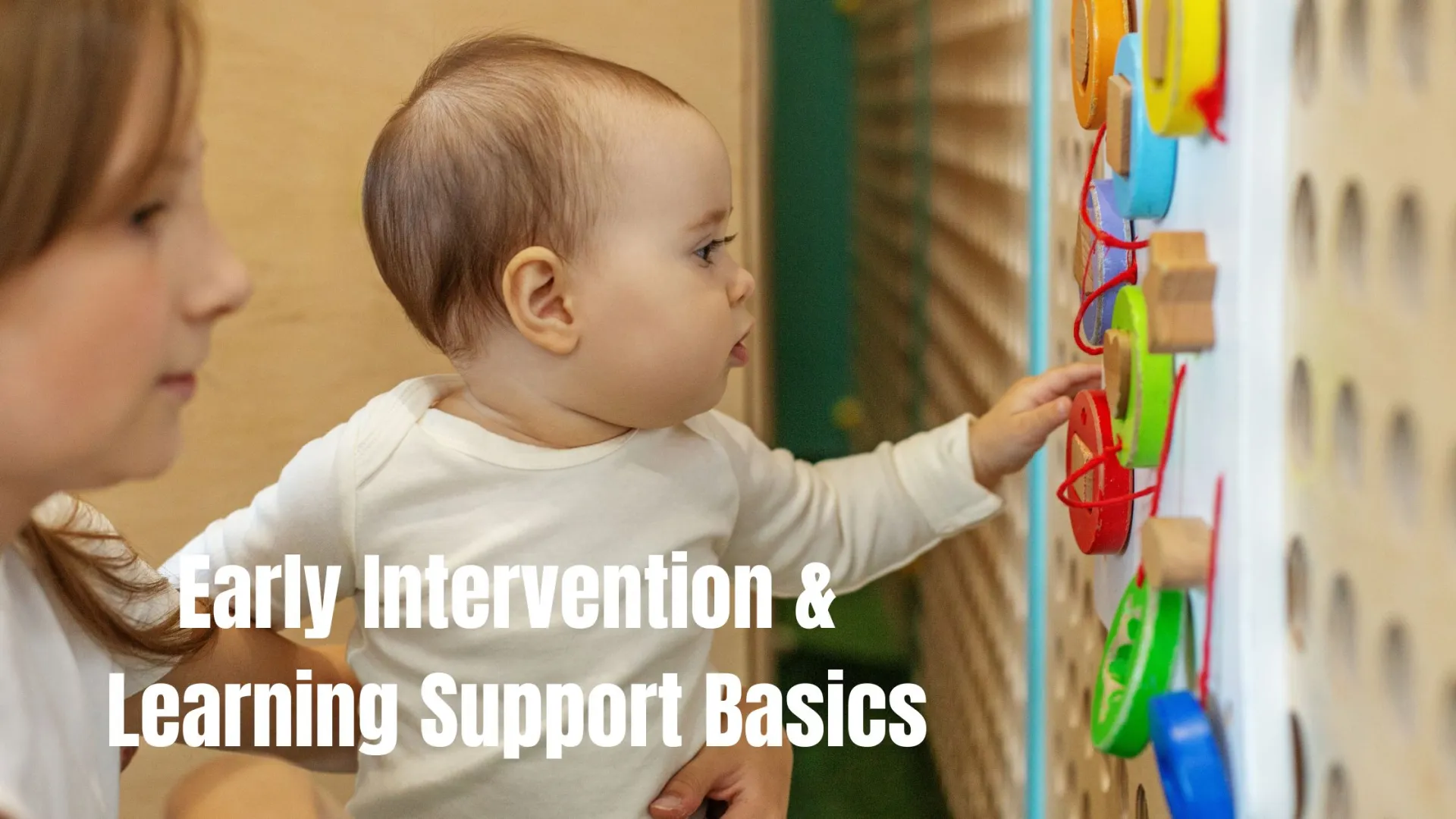
Early Intervention (EI) refers to programs and strategies designed to identify and support children from birth to age eight who may be at risk of developmental delays or learning challenges. The focus is on early identification and timely support to maximize developmental outcomes.
Key Goals of Early Intervention
- Enhancing Development: Strengthening cognitive, social, and emotional skills.
- Reducing Learning Barriers: Addressing difficulties before they impact academic performance.
- Empowering Families: Providing parents with tools and knowledge to support their child.
- Promoting Inclusion: Ensuring children with special needs can participate in mainstream activities whenever possible.
US Context: In the United States, early intervention services are mandated under the Individuals with Disabilities Education Act (IDEA), Part C, for children from birth to age three. Schools also provide learning support through Individualized Education Programs (IEPs) under IDEA, Part B, from ages 3–21.
Understanding Learning Support Basics
Learning support encompasses strategies, programs, and interventions designed to assist children in overcoming academic or developmental challenges. This support can be tailored to specific needs, such as reading difficulties, attention deficits, or social-emotional challenges.
Types of Learning Support
- In-School Support: Tutoring, classroom accommodations, and learning resource centers.
- Specialized Programs: Speech therapy, occupational therapy, and behavioral therapy.
- Home-Based Support: Parent-led activities, guided learning, and developmental exercises.
- Technology-Assisted Learning: Apps and tools designed for personalized learning paths.
Benefits of Learning Support
- Improved Academic Performance: Children gain confidence in core subjects like reading, math, and science.
- Enhanced Social Skills: Support often includes collaborative and social-emotional learning activities.
- Early Detection of Challenges: Continuous assessment allows for proactive interventions.
- Greater Independence: Children learn strategies to overcome obstacles and develop self-advocacy skills.
Early Signs Your Child May Need Intervention
Early identification is critical. Parents and educators should watch for the following indicators:
- Delayed speech or language development
- Difficulty recognizing letters, numbers, or shapes
- Struggling with fine or gross motor skills
- Limited social interaction or difficulty forming friendships
- Behavioral challenges or extreme emotional reactions
- Trouble following instructions or completing tasks
Tip for US Parents: Schools and pediatricians can provide developmental screenings, often covered by insurance or free under public programs. Early evaluation is the first step toward effective intervention.
Effective Early Intervention Strategies
Implementing structured strategies can make a significant difference in a child’s development. Here are some evidence-based approaches:
1. Individualized Education Programs (IEPs)
IEPs are tailored plans for children with learning challenges. They outline specific goals, services, and accommodations to ensure academic success.
2. Speech and Language Therapy
For children with communication delays, therapy can improve vocabulary, pronunciation, and social communication skills.
3. Occupational Therapy
OT focuses on fine motor skills, hand-eye coordination, and daily living skills, making learning and independence easier for children.
4. Behavioral Interventions
Behavioral strategies, including positive reinforcement and structured routines, help children manage emotions and social interactions effectively.
5. Parent-Led Interventions
Parents are powerful advocates. Simple home activities like reading aloud, counting games, and structured play support learning outside the classroom.
Creating a Supportive Learning Environment at Home
A positive home environment is critical for reinforcing early intervention strategies. Parents can implement the following:
- Routine and Consistency: Structured schedules reduce anxiety and enhance learning focus.
- Interactive Learning: Engage children in hands-on activities, puzzles, and games.
- Positive Reinforcement: Celebrate successes to boost motivation and confidence.
- Communication: Maintain open dialogue with educators and therapists.
- Technology Use: Use educational apps sparingly to reinforce skills without overloading screen time.
Choosing the Right Early Intervention Program in the US
Selecting an appropriate program requires careful consideration of your child’s needs and available resources.
Factors to Consider
- Program Accreditation: Look for state-certified or IDEA-compliant programs.
- Therapist Expertise: Licensed professionals with experience in child development.
- Parental Involvement: Programs that include parent training and guidance.
- Flexibility: Ability to adapt interventions as your child progresses.
- Accessibility: Proximity, cost, and availability of insurance coverage or public funding.
Top US Resources
- Early Intervention Services (Part C IDEA): For children under 3.
- Public School Special Education Programs (Part B IDEA): For children 3–21.
- Nonprofits and Advocacy Organizations: Local chapters often offer free screenings and workshops.
Common Myths About Early Intervention & Learning Support
Myth 1: Only Children with Severe Challenges Need Support
Reality: Early support benefits all children, including those with mild delays or learning difficulties. Early intervention can prevent minor issues from becoming major obstacles.
Myth 2: Intervention Limits Independence
Reality: Structured support teaches children problem-solving and coping skills, fostering long-term independence.
Myth 3: Therapy Is Only for School
Reality: Early intervention often begins at home, making parent involvement critical to success.
Measuring Progress and Success
Tracking progress ensures that interventions are effective and adaptive. Consider the following:
- Regular Assessments: Monitor academic, social, and emotional milestones.
- Behavioral Observations: Note improvements in confidence, attention, and interactions.
- Parent & Teacher Feedback: Collaboration ensures consistency across home and school.
- Adjusting Plans: Flexibility allows interventions to evolve with the child’s development.
US Tip: Schools often provide annual or semi-annual IEP reviews to update goals and strategies.
The Role of Technology in Early Intervention
Technology can enhance traditional interventions by offering interactive and personalized learning tools. Examples include:
- Speech Therapy Apps: Target vocabulary and pronunciation skills.
- Adaptive Learning Software: Adjusts difficulty based on the child’s progress.
- Behavior Tracking Tools: Helps parents and educators monitor improvement in real-time.
Pro Tip: Always balance screen time with hands-on, real-world activities for optimal growth.
Supporting Emotional Well-being Alongside Learning
Academic success is deeply connected to emotional health. Early intervention programs often integrate strategies to:
- Develop self-regulation and coping mechanisms
- Encourage peer interactions and social skills
- Reduce anxiety related to learning challenges
- Build confidence and resilience
Parents and educators should treat emotional support as equally important as academic interventions.