

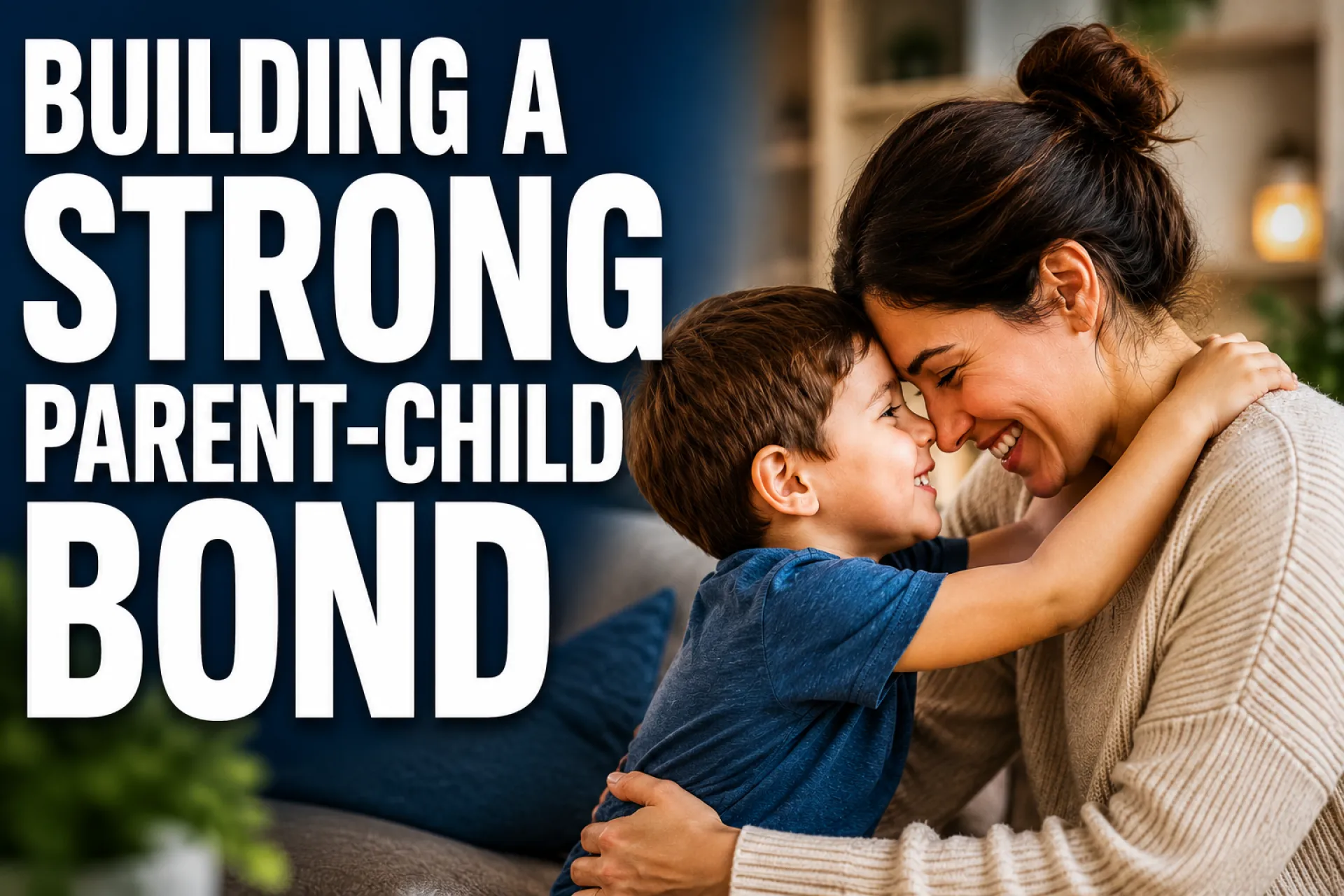
The relationship between a parent and child influences nearly every aspect of development. From infancy through adolescence, children rely on secure emotional connections to feel safe, valued, and understood.
When parents actively nurture emotional closeness, children tend to:
- Develop stronger self-confidence
- Feel emotionally secure
- Communicate openly
- Build resilience during challenges
- Experience lower anxiety and stress
- Perform better socially and academically
- Form healthier adult relationships later in life
On the other hand, emotional distance, constant criticism, or lack of quality interaction can negatively affect a child’s emotional well-being.
Building a strong parent-child bond does not mean being a perfect parent. It means being emotionally available, consistent, supportive, and intentional in everyday interactions.
Understanding Emotional Connection in Parenting
A healthy parent-child relationship is built on emotional connection rather than control. Children thrive when they feel emotionally safe and accepted.
Emotional connection includes:
- Listening without judgment
- Showing empathy
- Spending quality time together
- Respecting feelings
- Offering encouragement
- Being physically and emotionally present
Strong bonds are formed through small daily moments rather than grand gestures. A bedtime conversation, shared laughter, family meals, or comforting a child during difficult moments all contribute to long-term emotional security.
The Science Behind Parent-Child Bonding
Child development experts and psychologists emphasize the importance of attachment in early childhood. Secure attachment helps children develop trust and emotional regulation.
Children who experience consistent love, responsiveness, and support are more likely to develop healthy coping skills and positive social behaviors.
Studies also show that positive parent-child relationships can reduce behavioral issues, improve emotional intelligence, and strengthen mental health throughout adolescence and adulthood.
This is why building a strong parent-child bond should be viewed as an essential investment in a child’s future well-being.
1. Spend Quality Time Together Every Day
One of the most effective ways to strengthen family relationships is through intentional quality time.
Many parents believe bonding requires large amounts of free time, but consistency matters more than duration. Even 15–20 minutes of focused attention daily can significantly strengthen emotional connection.
Simple Ways to Spend Quality Time
- Eat meals together without screens
- Read bedtime stories
- Go for walks
- Play board games
- Cook together
- Have one-on-one conversations
- Work on creative activities
- Attend school events
The key is being fully present. Children notice when parents are distracted by phones, work, or stress.
Quality time helps children feel valued and emotionally important.
2. Practice Active Listening
Children want to feel heard and understood. Active listening is one of the most powerful parenting tools for building trust.
How to Listen Actively
- Make eye contact
- Put away distractions
- Let your child finish speaking
- Validate emotions
- Avoid immediate criticism or lectures
- Ask thoughtful questions
For example, instead of saying:
“You’re overreacting.”
Try:
“I can see that upset you. Tell me more about what happened.”
When children feel emotionally safe sharing their thoughts, they are more likely to continue communicating openly as they grow older.
3. Create Family Routines and Traditions
Family routines create stability, emotional security, and belonging.
Simple traditions often become the memories children treasure most.
Examples of Bonding Family Traditions
- Friday movie nights
- Sunday breakfasts
- Holiday baking traditions
- Evening walks
- Family game nights
- Monthly outdoor activities
- Bedtime storytelling
Routines help children feel connected, especially during stressful periods or major life transitions.
Strong family traditions also encourage long-term emotional closeness between parents and children.
4. Show Unconditional Love and Support
Children need to know they are loved not only when they succeed, but also when they struggle.
Unconditional love helps children develop emotional confidence and resilience.
Ways to Show Emotional Support
- Offer praise for effort, not only results
- Encourage independence
- Comfort children during failures
- Avoid harsh comparisons
- Celebrate individuality
- Use positive affirmations
Simple statements like:
“I’m proud of you.”
“I’m here for you.”
“I love you no matter what.”
can deeply impact a child’s emotional development.
5. Improve Parent-Child Communication
Healthy communication strengthens trust and reduces misunderstandings.
Children communicate differently depending on age and personality, so parents should adapt their communication style accordingly.
Tips for Better Communication
Use Open-Ended Questions
Instead of:
“How was school?”
Ask:
“What was the best part of your day?”
Stay Calm During Conflicts
Yelling often shuts down communication rather than solving problems.
Encourage Emotional Expression
Teach children that all emotions are acceptable, even difficult ones like anger, sadness, or frustration.
Avoid Over-Criticizing
Constant criticism may damage self-esteem and emotional closeness.
Positive, respectful communication creates a safe emotional environment for children.
6. Build Trust Through Consistency
Trust is essential for building a strong parent-child bond.
Children feel secure when parents are reliable, emotionally predictable, and consistent in their actions.
How to Build Trust
- Keep promises whenever possible
- Follow through with consequences calmly
- Be honest
- Admit mistakes
- Apologize when necessary
- Maintain routines
Parents do not need to be perfect. In fact, acknowledging mistakes can teach children accountability and emotional maturity.
7. Limit Screen Time and Increase Real Connection
Modern technology often interferes with family bonding.
Excessive screen time can reduce communication, emotional engagement, and quality interactions between parents and children.
Healthy Ways to Balance Technology
- Create screen-free meal times
- Establish device-free bedtime routines
- Encourage outdoor activities
- Plan family experiences without phones
- Model healthy technology habits
Children learn by observing parental behavior. Parents who prioritize real-world connection often inspire children to do the same.
8. Use Positive Discipline Instead of Fear
Discipline should teach, not intimidate.
Fear-based parenting may create short-term obedience but can damage long-term trust and emotional closeness.
Positive Discipline Strategies
- Set clear expectations
- Use natural consequences
- Stay calm during corrections
- Explain reasons behind rules
- Focus on teaching problem-solving
- Reinforce positive behavior
For example, instead of punishment alone, discuss what can be done differently next time.
Children are more likely to cooperate when they feel respected and understood.
9. Encourage Emotional Intelligence
Emotionally intelligent children are better equipped to handle relationships, stress, and life challenges.
Parents play a major role in teaching emotional awareness.
Ways to Develop Emotional Intelligence
- Name emotions openly
- Teach empathy
- Discuss feelings regularly
- Model healthy emotional regulation
- Encourage problem-solving
Example:
“You seem frustrated because your toy broke.”
Helping children identify emotions teaches them how to process feelings in healthy ways.
10. Be Physically Affectionate
Physical affection supports emotional bonding and security.
Simple gestures like hugs, cuddles, holding hands, or gentle reassurance can strengthen emotional connection.
Physical affection has been linked to reduced stress, improved emotional regulation, and stronger feelings of safety in children.
Even teenagers benefit from appropriate affection and emotional warmth, although their preferences may differ from younger children.
11. Support Your Child’s Interests
Children feel valued when parents show genuine interest in their passions.
Whether your child enjoys sports, music, art, science, or gaming, involvement strengthens emotional closeness.
Ways to Show Interest
- Attend activities or performances
- Ask questions about hobbies
- Learn alongside them
- Celebrate achievements
- Encourage curiosity
Supporting a child’s interests builds confidence and reinforces emotional connection.
12. Strengthen Bonding During Difficult Times
Stressful life events can either weaken or strengthen family relationships depending on how parents respond.
Children especially need emotional support during:
- Divorce or separation
- Moving homes
- School stress
- Illness
- Loss of loved ones
- Family conflict
How to Maintain Connection During Challenges
- Reassure children regularly
- Keep communication open
- Maintain routines when possible
- Validate emotions
- Spend extra quality time together
Emotional availability during difficult periods builds lasting trust and security.
Common Mistakes That Can Damage Parent-Child Relationships
Even loving parents sometimes unintentionally weaken emotional connection.
Avoid These Common Parenting Mistakes
Excessive Criticism
Constant negativity can harm confidence and communication.
Emotional Unavailability
Children need emotional responsiveness, not just physical presence.
Comparing Children to Others
Comparisons may create insecurity and resentment.
Over-Scheduling
Busy routines can reduce meaningful family interaction.
Ignoring Emotional Needs
Children need emotional validation as much as practical support.
Recognizing these patterns early can help improve family relationships over time.
Building a Strong Parent-Child Bond at Different Ages
Infants and Toddlers
- Respond quickly to needs
- Use eye contact and touch
- Read and sing together
- Create secure routines
Preschoolers
- Encourage imaginative play
- Offer praise and encouragement
- Spend dedicated playtime together
School-Age Children
- Participate in school activities
- Encourage open conversations
- Build confidence through support
Teenagers
- Respect independence
- Avoid constant judgment
- Listen more than lecture
- Stay emotionally available
Each developmental stage requires different parenting approaches, but emotional connection remains essential throughout childhood.
How Strong Parent-Child Bonds Improve Mental Health
Mental health experts increasingly emphasize the role of supportive parenting in emotional well-being.
Children with secure family relationships often experience:
- Lower stress levels
- Better emotional regulation
- Reduced anxiety
- Greater resilience
- Stronger coping skills
A loving, supportive relationship acts as a protective factor against many emotional and behavioral challenges.
This is especially important in today’s world, where children face growing academic, social, and digital pressures.
Practical Daily Habits That Strengthen Family Connection
Small daily habits often have the biggest long-term impact.
Daily Bonding Habits
- Greet children warmly after school
- Eat together regularly
- Read together before bedtime
- Ask meaningful questions
- Share laughter
- Offer encouragement daily
- Practice gratitude as a family
Consistency creates emotional security and long-term trust.
The Importance of Parental Self-Care
Parents who are emotionally exhausted may struggle to stay patient and connected.
Self-care is not selfish; it supports healthier parenting.
Healthy Self-Care Practices for Parents
- Get enough sleep
- Manage stress
- Seek emotional support
- Maintain healthy boundaries
- Take breaks when needed
Emotionally healthy parents are better equipped to build strong relationships with their children.
Long-Term Benefits of Building a Strong Parent-Child Bond
The effects of positive parenting extend far beyond childhood.
Children who grow up with strong emotional connections often become adults who:
- Form healthier relationships
- Communicate effectively
- Handle stress better
- Show greater empathy
- Maintain stronger family ties
Strong parent-child relationships can positively shape future generations as well.
Final Thoughts on Building a Strong Parent-Child Bond
Building a strong parent-child bond is not about perfection. It is about consistent love, trust, communication, and emotional presence.
The small moments shared every day often matter more than expensive gifts or elaborate experiences. Listening carefully, showing affection, creating family traditions, and supporting emotional growth all help strengthen the relationship between parents and children.
In today’s busy world, intentional connection matters more than ever. Children who feel safe, heard, and loved are more likely to thrive emotionally, socially, and academically.
By prioritizing emotional connection and positive communication, parents can create lifelong bonds that provide security, confidence, and lasting happiness for their children.