

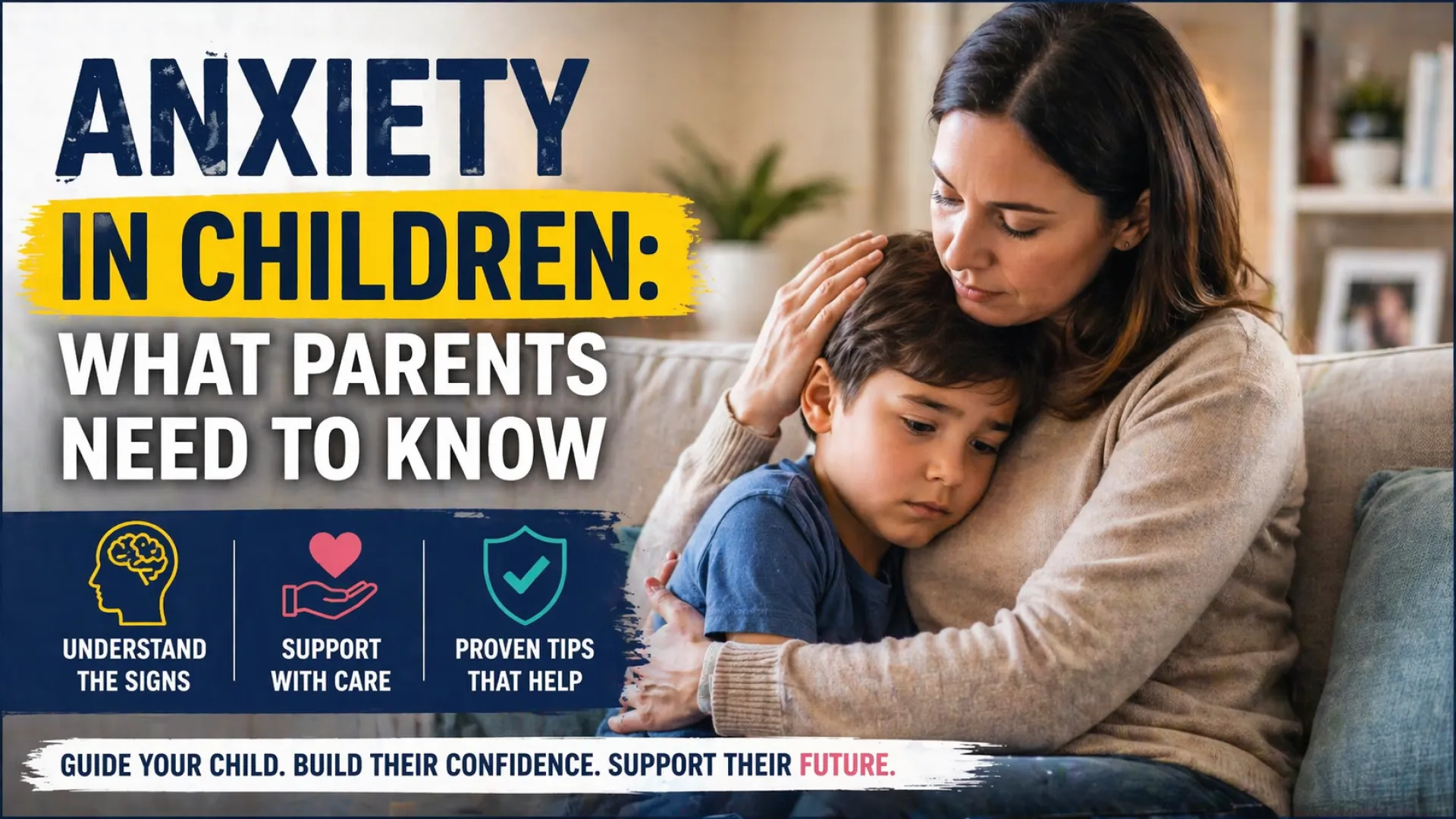
Anxiety is a natural emotional response to perceived danger or stress. It becomes a concern when it is excessive, persistent, and interferes with a child’s daily life,such as school, friendships, or family interactions.
Children may not always express anxiety in words. Instead, it often shows up in behaviors, physical symptoms, or emotional reactions.
Normal Worry vs. Anxiety Disorder
It’s important to distinguish between normal worry and clinical anxiety:
- Normal worry: Temporary, situational (e.g., first day of school)
- Anxiety disorder: Ongoing, intense, affects functioning
If anxiety lasts for weeks or months and disrupts everyday life, it may require professional attention.
Common Types of Anxiety in Children
Understanding different types of anxiety helps parents identify what their child might be experiencing.
1. Generalized Anxiety
Children worry excessively about everyday things,school performance, health, or future events.
2. Separation Anxiety
Fear of being away from parents or caregivers, often seen in younger children but can persist.
3. Social Anxiety
Fear of being judged or embarrassed in social situations, such as speaking in class or making friends.
4. Specific Phobias
Intense fear of specific objects or situations (e.g., animals, darkness, heights).
5. Panic Symptoms
Sudden episodes of intense fear accompanied by physical symptoms like rapid heartbeat or dizziness.
Signs and Symptoms of Anxiety in Children
Children often lack the vocabulary to explain their feelings, so parents must observe behavioral and physical cues.
Emotional Signs
- Excessive worrying
- Irritability or mood swings
- Fearfulness or clinginess
- Low confidence
Physical Symptoms
- Stomachaches or headaches
- Fatigue
- Trouble sleeping
- Rapid heartbeat
Behavioral Changes
- Avoiding school or activities
- Difficulty concentrating
- Frequent crying or tantrums
- Seeking constant reassurance
Causes of Anxiety in Children
There is rarely a single cause. Anxiety usually develops from a combination of factors.
1. Genetics
Children with a family history of anxiety are more likely to experience it.
2. Brain Chemistry
Imbalances in neurotransmitters can affect emotional regulation.
3. Environment
Stressful life events such as divorce, moving, or bullying can trigger anxiety.
4. Parenting Style
Overprotective or highly critical environments may increase anxiety levels.
5. Social Media and Technology
Excessive screen time and exposure to unrealistic standards can heighten anxiety, especially in older children.
Why Early Intervention Matters
Ignoring anxiety can lead to long-term consequences, including:
- Academic struggles
- Social isolation
- Low self-esteem
- Increased risk of depression
Early support helps children develop resilience, emotional regulation, and confidence.
How Parents Can Help Children with Anxiety
Supporting a child with anxiety doesn’t mean eliminating all stress—it means helping them cope effectively.
1. Create a Safe and Open Environment
Encourage your child to talk about their feelings without fear of judgment.
What to say:
- “I see that you’re worried. Do you want to talk about it?”
- “It’s okay to feel scared sometimes.”
2. Teach Emotional Awareness
Help children identify and label their emotions. This builds emotional intelligence and reduces confusion.
3. Maintain Consistent Routines
Predictability gives children a sense of control and security.
- Regular bedtime
- Consistent meal times
- Structured homework schedules
4. Model Calm Behavior
Children learn by observing. If you manage stress calmly, your child is more likely to do the same.
5. Encourage Gradual Exposure
Avoiding fears reinforces anxiety. Instead, gently encourage children to face their fears step by step.
Example:
- If afraid of school, start with short visits before returning full-time.
6. Limit Reassurance
While it’s natural to comfort your child, excessive reassurance can increase dependency.
Instead of:
- “Everything will be fine.”
Try:
- “Let’s think about what you can do if you feel worried.”
Practical Techniques to Reduce Anxiety
Deep Breathing
Teach simple breathing exercises:
- Inhale for 4 seconds
- Hold for 4 seconds
- Exhale for 4 seconds
Mindfulness Activities
- Guided relaxation
- Body scans
- Simple meditation for kids
Physical Activity
Regular exercise reduces stress hormones and boosts mood.
- Outdoor play
- Sports
- Yoga for kids
Journaling
Encourage older children to write or draw their thoughts and feelings.
When to Seek Professional Help
Sometimes, anxiety requires expert support.
Warning Signs:
- Anxiety interferes with school or daily life
- Physical symptoms persist
- Panic attacks occur
- Child avoids normal activities
Types of Professional Support:
- Child psychologists
- Licensed therapists
- School counselors
Evidence-Based Treatments:
- Cognitive Behavioral Therapy (CBT)
- Play therapy (for younger children)
- Family therapy
Medication may be recommended in severe cases, but only under medical supervision.
Supporting Your Child at School
School is a common source of anxiety, especially in competitive education systems like those in the US, UK, and Canada.
Tips for Parents:
- Communicate with teachers
- Develop a school support plan
- Encourage healthy study habits
- Avoid overloading with extracurriculars
The Role of Diet and Sleep
Physical health strongly influences mental health.
Nutrition Tips:
- Balanced diet with fruits, vegetables, whole grains
- Limit sugar and processed foods
- Encourage hydration
Sleep Guidelines:
- School-age children need 9–12 hours of sleep
- Maintain consistent bedtime routines
- Limit screen time before bed
Common Mistakes Parents Should Avoid
1. Dismissing Feelings
Saying “You’re fine” can make children feel misunderstood.
2. Overprotecting
Shielding children from all stress prevents them from developing coping skills.
3. Labeling the Child
Avoid calling your child “an anxious kid”,focus on the behavior, not identity.
4. Comparing with Others
Every child is different. Comparisons can increase pressure and anxiety.
Building Long-Term Resilience
Helping your child manage anxiety is not just about reducing fear,it’s about building lifelong emotional strength.
Encourage Problem-Solving
Teach children how to handle challenges independently.
Foster Independence
Give age-appropriate responsibilities.
Celebrate Effort, Not Perfection
Focus on progress rather than outcomes.
Strengthen Social Connections
Healthy friendships act as emotional support systems.
Anxiety in Children in Western Contexts (US, UK, Canada, Australia)
In first-tier countries, children often face unique pressures:
- High academic competition
- Overscheduled lifestyles
- Digital and social media exposure
- Performance expectations
Parents in these regions should prioritize balance over achievement, ensuring children have time to relax, play, and simply be kids.
Final Thoughts
Understanding “Anxiety in Children: What Parents Need to Know” is the first step toward helping your child lead a healthier, happier life. Anxiety is not a weakness,it’s a signal that a child needs support, understanding, and the right tools to cope.
With early intervention, open communication, and practical strategies, parents can make a profound difference in their child’s emotional well-being.
Remember: you don’t need to have all the answers. Being present, patient, and supportive is often the most powerful help you can offer.