

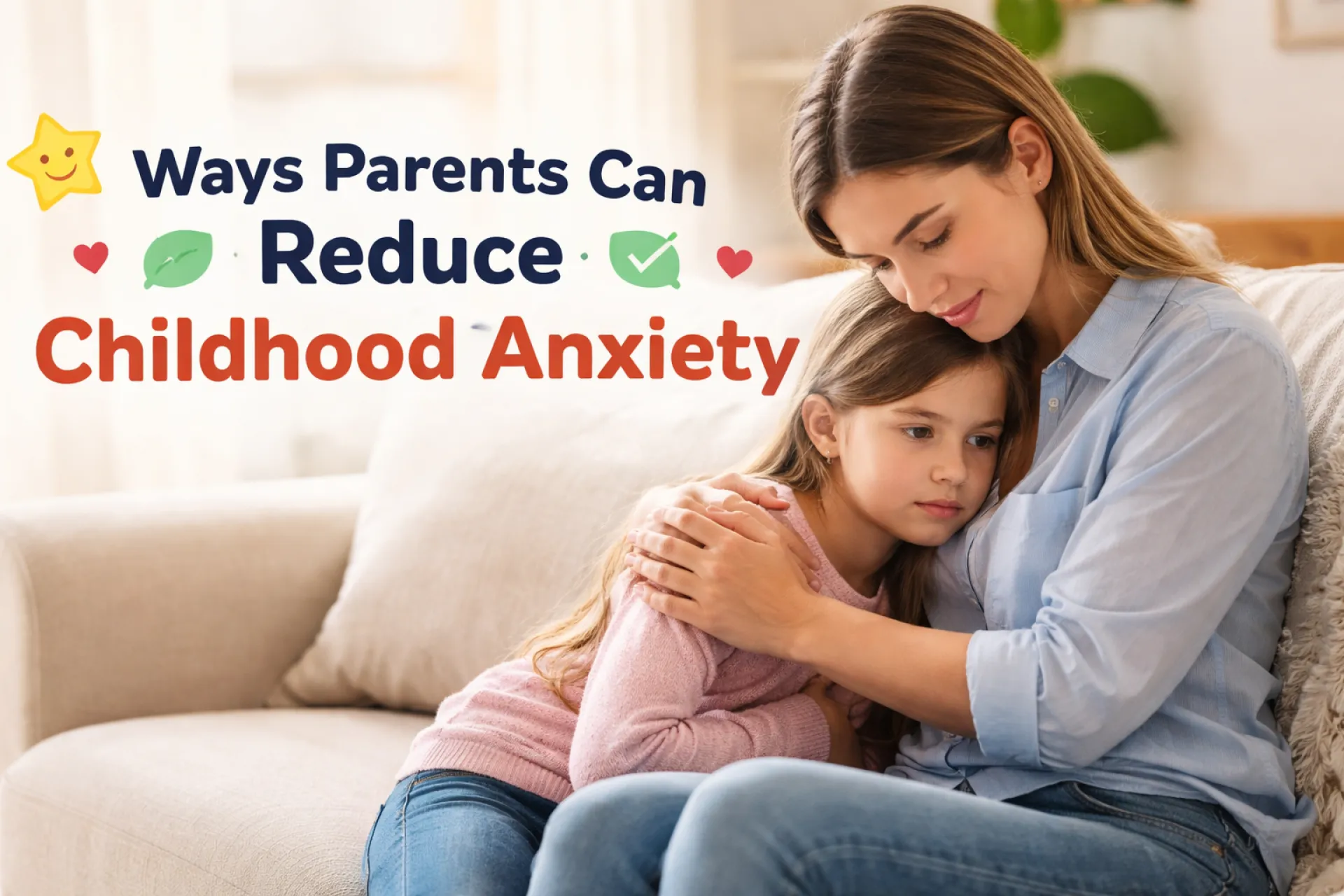
Before discussing the most effective ways parents can reduce childhood anxiety, it’s important to understand what anxiety looks like in children.
Children often experience anxiety differently than adults. Instead of directly expressing fear or worry, they may show it through behavior.
Common signs of anxiety in children
-
Frequent stomachaches or headaches without medical causes
-
Difficulty sleeping or frequent nightmares
-
Avoidance of school or social activities
-
Irritability or frequent emotional outbursts
-
Excessive worry about mistakes or performance
-
Trouble concentrating on homework or tasks
If these symptoms occur regularly or interfere with daily life, parents should take them seriously.
Early intervention is key. When parents learn ways parents can reduce childhood anxiety, they can help children build lifelong emotional resilience.
Why Childhood Anxiety Is Increasing
In many Western countries such as the United States, childhood anxiety rates have risen in recent years. Several factors contribute to this trend.
Academic pressure
Children are often expected to perform well academically from a very young age. Standardized testing, homework demands, and competitive school environments can create stress.
Social media exposure
Older children and teenagers face constant comparison through social media platforms. This can lead to feelings of inadequacy, fear of missing out, and social anxiety.
Busy family schedules
Modern families often juggle multiple commitments such as work, sports, and extracurricular activities. Over-scheduling can leave children feeling overwhelmed.
Global uncertainty
Events such as pandemics, economic changes, and global news exposure can make children feel uncertain about the future.
Recognizing these influences helps parents understand why learning ways parents can reduce childhood anxiety is more important than ever.
1. Create a Safe and Supportive Home Environment
One of the most powerful ways parents can reduce childhood anxiety is by creating a home where children feel emotionally safe.
Children need to know they can express feelings without judgment or punishment.
How parents can do this
-
Encourage open conversations about emotions
-
Avoid dismissing feelings such as fear or sadness
-
Listen actively without interrupting
-
Validate their emotions before offering solutions
For example, instead of saying:
“Stop worrying. It’s not a big deal.”
Try saying:
“I understand you’re nervous about the test tomorrow. Let’s talk about what’s worrying you.”
This approach helps children feel heard and supported.
2. Teach Children Healthy Coping Skills
Another essential strategy among the most effective ways parents can reduce childhood anxiety is teaching children practical coping techniques.
Children are not born knowing how to manage stress. These skills must be learned over time.
Helpful coping strategies include
-
Deep breathing exercises
-
Mindfulness activities
-
Journaling feelings
-
Drawing or creative expression
-
Physical exercise
Parents can model these techniques themselves. For instance, practicing slow breathing together during stressful moments can calm both parent and child.
3. Maintain Consistent Daily Routines
Predictability helps children feel secure. A consistent routine is one of the simplest ways parents can reduce childhood anxiety.
When children know what to expect throughout the day, it reduces uncertainty and stress.
Important routines include
-
Regular bedtime and wake-up times
-
Scheduled homework periods
-
Consistent meal times
-
Balanced playtime and relaxation
For younger children especially, routines create a sense of stability that supports emotional regulation.
4. Encourage Healthy Sleep Habits
Sleep plays a critical role in emotional health. Lack of sleep can increase irritability, stress, and anxiety.
Among the most overlooked ways parents can reduce childhood anxiety is ensuring children get enough rest.
Tips for improving sleep
-
Create a calming bedtime routine
-
Limit screen time before bed
-
Keep bedrooms quiet and dark
-
Maintain consistent sleep schedules
Children aged 6–12 typically need about 9–12 hours of sleep per night, while teenagers need 8–10 hours.
Good sleep habits can significantly reduce anxiety symptoms.
5. Limit Exposure to Stressful Media
Children today have access to constant news updates, social media content, and online discussions.
Unfortunately, this can expose them to stressful or frightening information.
Limiting media exposure is one of the practical ways parents can reduce childhood anxiety.
Healthy media habits include
-
Monitoring news consumption
-
Setting screen time limits
-
Discussing confusing or scary content
-
Encouraging offline activities
Parents should also model balanced technology use themselves.
6. Promote Physical Activity
Regular exercise helps reduce stress hormones and boosts mood-enhancing chemicals in the brain.
Encouraging movement is one of the healthiest ways parents can reduce childhood anxiety.
Great physical activities for children
-
Outdoor play
-
Family walks or bike rides
-
Sports teams
-
Yoga for kids
-
Dance or movement games
Even 30–60 minutes of daily activity can improve mood and reduce anxiety levels.
7. Build Confidence Through Small Achievements
Children with anxiety often fear failure or making mistakes.
Helping them experience small successes is one of the most effective ways parents can reduce childhood anxiety.
Strategies for building confidence
-
Set achievable goals
-
Praise effort rather than perfection
-
Celebrate progress
-
Encourage problem-solving skills
When children learn they can handle challenges, their anxiety gradually decreases.
8. Avoid Overprotection
While protecting children is natural, excessive protection can unintentionally increase anxiety.
Children need opportunities to face manageable challenges.
Allowing independence is one of the balanced ways parents can reduce childhood anxiety.
Examples
-
Let children order food at restaurants
-
Encourage independent homework completion
-
Allow problem-solving with friends
These experiences build resilience and self-confidence.
9. Model Calm Behavior
Children observe how adults respond to stress. Parents who react calmly teach children that challenges can be managed.
Modeling emotional regulation is one of the most influential ways parents can reduce childhood anxiety.
Helpful behaviors parents can demonstrate
-
Taking deep breaths during stressful moments
-
Speaking calmly when problems arise
-
Discussing solutions instead of panicking
Children learn emotional habits directly from the adults around them.
10. Seek Professional Support When Needed
Sometimes anxiety requires additional support beyond home strategies.
Consulting a licensed therapist or child psychologist is an important step when symptoms persist.
Professional guidance is one of the responsible ways parents can reduce childhood anxiety, especially when anxiety interferes with school, friendships, or daily activities.
Early support can prevent long-term mental health challenges.
Long-Term Benefits of Supporting Children’s Mental Health
When parents learn effective ways parents can reduce childhood anxiety, they provide benefits that last a lifetime.
Children who develop emotional coping skills often grow into adults who:
-
Manage stress effectively
-
Maintain healthy relationships
-
Perform better academically and professionally
-
Have higher self-esteem
Mental health support during childhood builds the foundation for lifelong well-being.
Final Thoughts: Helping Children Feel Safe and Supported
Parenting in the modern world comes with many challenges, but supporting a child’s emotional health remains one of the most important responsibilities.
Learning practical ways parents can reduce childhood anxiety allows families to create environments where children feel secure, understood, and capable of overcoming challenges.
By listening with empathy, encouraging healthy routines, teaching coping skills, and seeking help when needed, parents can guide children toward resilience and confidence.
Childhood anxiety does not have to define a child’s future. With patience, understanding, and consistent support, parents can help their children develop the emotional strength needed to thrive in today’s world.