

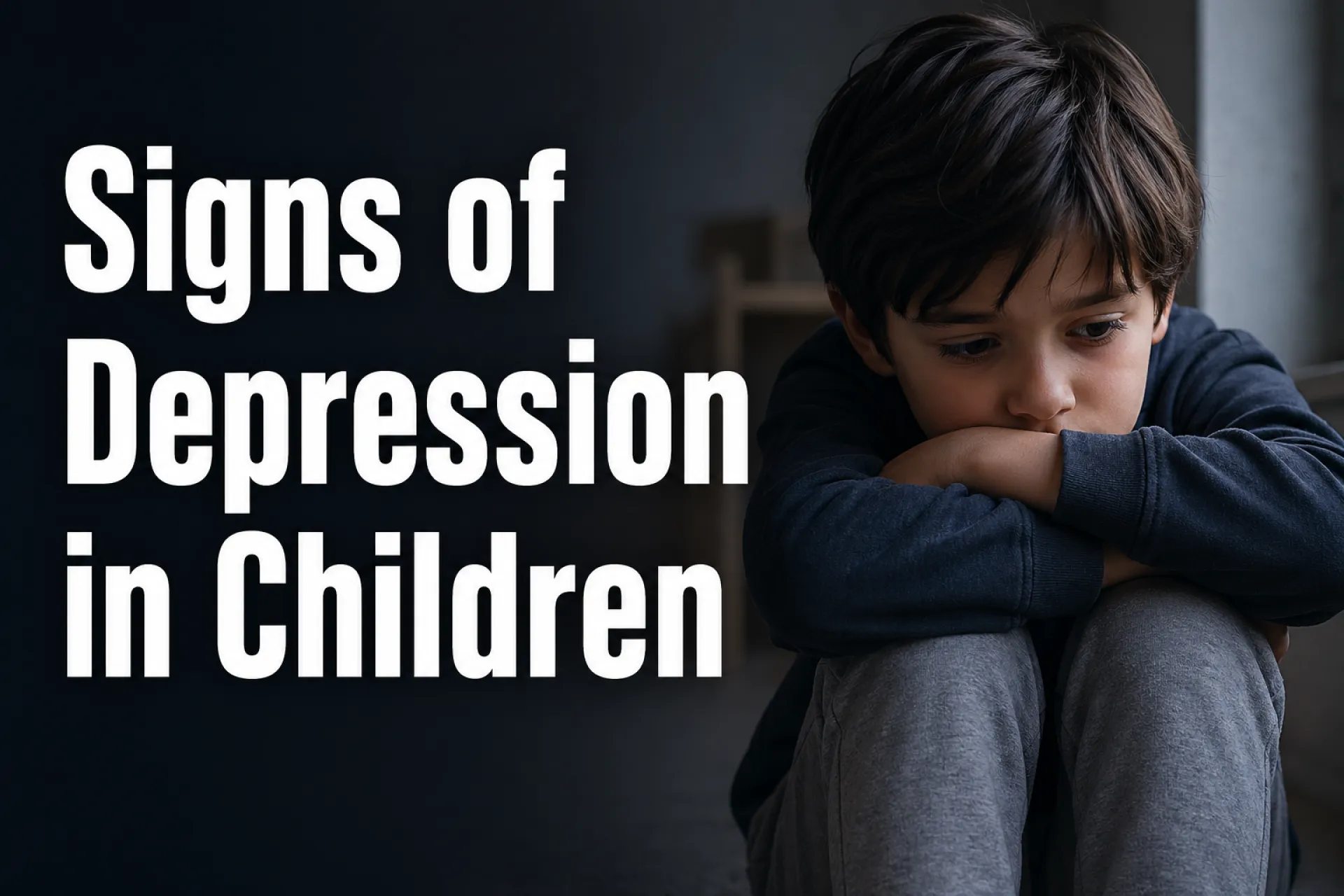
Childhood depression is a mental health disorder that goes beyond temporary sadness. It involves persistent feelings of hopelessness, irritability, or loss of interest in daily activities.
Unlike adults, children may not always express their feelings verbally. Instead, their emotions often show up through behavior,making it harder to recognize the signs of depression in children without careful observation.
Why Early Detection Matters
Early identification is critical. When depression is left untreated, it can:
- Affect brain development
- Impact academic performance
- Damage relationships
- Increase risk of anxiety or substance use later
- In severe cases, lead to self-harm or suicidal thoughts
The earlier parents recognize the signs of depression in children, the better the chances of effective treatment and recovery.
Common Signs of Depression in Children
Understanding these warning signs can help you take timely action.
1. Persistent Sadness or Irritability
Children with depression may:
- Appear sad most of the day
- Cry frequently
- Show unexplained irritability or anger
In younger children, irritability is often more common than sadness.
2. Loss of Interest in Activities
If your child suddenly loses interest in activities they once loved,sports, hobbies, or playtime,it may be a red flag.
This is one of the most overlooked signs of depression in children.
3. Changes in Sleep Patterns
Watch for:
- Sleeping too much
- Difficulty falling asleep
- Frequent nightmares
Sleep disturbances often reflect deeper emotional struggles.
4. Changes in Appetite or Weight
Depression can cause:
- Loss of appetite
- Overeating
- Noticeable weight loss or gain
These changes may happen gradually, so they can be easy to miss.
5. Fatigue and Low Energy
Children may:
- Seem constantly tired
- Avoid physical activity
- Struggle to complete simple tasks
This is not laziness—it’s often emotional exhaustion.
6. Difficulty Concentrating
Depression affects cognitive function. Signs include:
- Trouble focusing in school
- Declining grades
- Forgetfulness
Teachers are often the first to notice these changes.
7. Feelings of Worthlessness or Guilt
Children may say things like:
- “I’m not good at anything”
- “Nobody likes me”
These negative thought patterns are strong indicators of depression.
8. Social Withdrawal
A child may:
- Avoid friends
- Isolate themselves
- Refuse to participate in group activities
This is one of the key signs of depression in children that parents should not ignore.
9. Physical Complaints Without Medical Cause
Children often express emotional pain through physical symptoms, such as:
- Headaches
- Stomachaches
- General body pain
If these complaints are frequent and unexplained, consider emotional factors.
10. Thoughts of Death or Self-Harm
This is the most serious warning sign. Children may:
- Talk about death
- Express hopelessness
- Engage in risky behavior
If you notice this, seek immediate professional help.
Causes of Depression in Children
There is no single cause. Instead, depression results from a combination of factors:
Biological Factors
- Family history of depression
- Brain chemistry imbalances
Environmental Factors
- Trauma or abuse
- Bullying
- Family conflict
Psychological Factors
- Low self-esteem
- Negative thinking patterns
Social Factors
- Academic pressure
- Social isolation
- Exposure to social media comparison
Understanding these causes helps parents respond with empathy instead of judgment.
Risk Factors to Watch For
Certain children are at higher risk of developing depression:
- Children with ADHD or learning disorders
- Kids experiencing major life changes (divorce, relocation)
- Those exposed to chronic stress
- Children with limited emotional support
Recognizing risk factors alongside the signs of depression in children allows for earlier intervention.
How Depression Looks Different by Age
Toddlers and Preschoolers
- Increased clinginess
- Frequent tantrums
- Regression (e.g., bedwetting)
School-Age Children
- Academic decline
- Irritability
- Social withdrawal
Teenagers
- Risk-taking behavior
- Substance experimentation
- Extreme mood swings
Each stage requires a different approach to identification and support.
When Should Parents Be Concerned?
You should consider seeking help if:
- Symptoms last more than two weeks
- Behavior changes are severe or sudden
- Your child’s daily functioning is affected
Trust your instincts—if something feels off, it’s worth exploring.
How to Talk to Your Child About Depression
Starting the conversation can feel difficult, but it’s essential.
Tips for Effective Communication
- Choose a calm, private moment
- Use open-ended questions
- Avoid judgment or criticism
- Listen more than you speak
Example:
Instead of saying, “Why are you acting like this?”
Try: “I’ve noticed you seem upset lately. Do you want to talk about it?”
Professional Diagnosis and Treatment
If you suspect depression, consult a licensed professional such as:
- Child psychologists
- Pediatricians
- Licensed therapists
Common Treatment Options
1. Therapy
- Cognitive Behavioral Therapy (CBT)
- Play therapy for younger children
2. Family Counseling
Helps improve communication and emotional support at home.
3. Medication
In some cases, doctors may prescribe antidepressants,but only under careful supervision.
Practical Ways Parents Can Help at Home
1. Build a Safe Emotional Environment
Make your child feel heard and valued.
2. Encourage Routine
Consistent sleep, meals, and activities provide stability.
3. Promote Physical Activity
Exercise boosts mood and reduces stress.
4. Limit Screen Time
Too much screen exposure can worsen depressive symptoms.
5. Model Healthy Behavior
Children learn by observing how adults handle emotions.
6. Celebrate Small Wins
Recognize effort, not just achievement.
Prevention Strategies
While not all cases are preventable, you can reduce risk by:
- Building strong parent-child relationships
- Teaching emotional regulation skills
- Encouraging social interaction
- Creating a supportive home environment
The Role of Schools and Teachers
Schools play a crucial role in identifying the signs of depression in children.
Teachers can:
- Observe behavioral changes
- Communicate concerns to parents
- Provide emotional support in the classroom
Collaboration between parents and schools leads to better outcomes.
Myths About Childhood Depression
Myth 1: Children Are Too Young to Be Depressed
Reality: Depression can affect children as young as preschool age.
Myth 2: It’s Just a Phase
Reality: Persistent symptoms require attention and care.
Myth 3: Good Parenting Prevents Depression
Reality: Even in loving homes, children can experience depression due to multiple factors.
Long-Term Outlook
With early intervention, most children recover and lead healthy, fulfilling lives.
The key is awareness. Recognizing the signs of depression in children early allows for timely support and treatment.
When to Seek Immediate Help
Seek urgent care if your child:
- Talks about suicide
- Engages in self-harm
- Shows extreme withdrawal
In the U.S., parents can contact emergency services or mental health hotlines for immediate assistance.
Final Thoughts
Understanding the signs of depression in children is not about labeling your child,it’s about protecting their well-being.
Children may not always have the words to explain how they feel, but their behavior tells a story. As a parent or caregiver, your awareness, compassion, and action can make all the difference.
If you notice the signs, don’t wait. Early support can change the trajectory of your child’s life.