

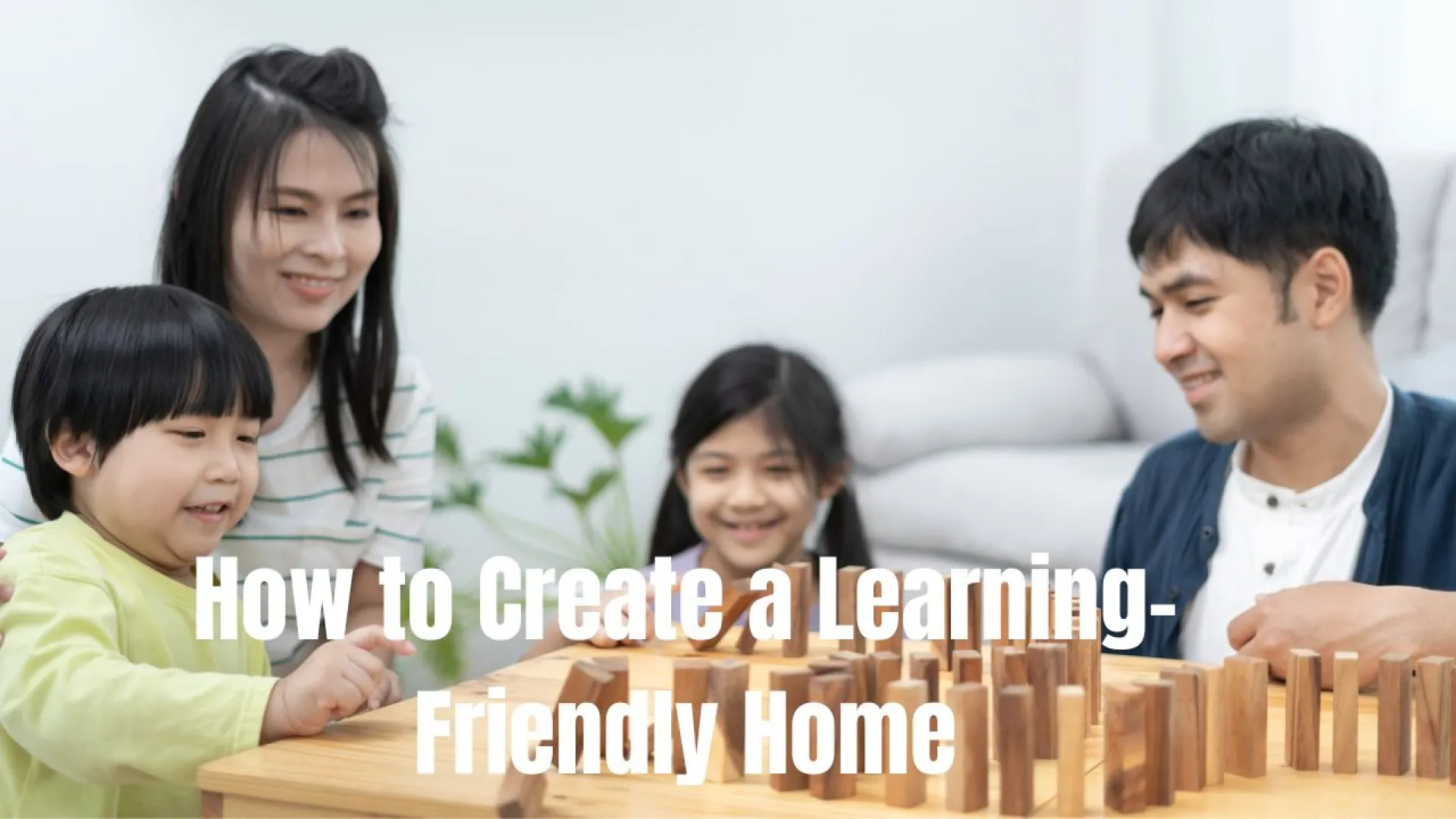
A child’s home environment directly influences their ability to learn, concentrate, and develop essential life skills. Studies consistently show that children who grow up in structured, supportive environments tend to perform better academically and emotionally.
A learning-friendly home doesn’t mean turning your house into a classroom. Instead, it means creating a balanced environment where children feel safe, motivated, and inspired to explore new ideas.
Key Benefits:
- Improves focus and concentration
- Encourages independent learning
- Reduces stress and distractions
- Builds positive study habits
- Strengthens parent-child bonding
1. Designate a Dedicated Learning Space
One of the first steps in creating a learning-friendly home is setting up a specific area for studying and educational activities.
What Makes a Good Learning Space?
- Quiet and free from distractions
- Well-lit (preferably natural light)
- Comfortable seating and desk
- Organized and clutter-free
You don’t need an entire room. A small corner with a desk and chair can work perfectly. The key is consistency,your child should associate that space with learning.
Pro Tip:
Keep this area separate from entertainment zones like TVs or gaming consoles to help your child mentally switch into “study mode.”
2. Minimize Distractions at Home
Distractions are one of the biggest barriers to effective learning, especially in homes with multiple devices.
Common Distractions:
- Smartphones and tablets
- Television noise
- Background conversations
- Cluttered environments
How to Reduce Them:
- Set screen-time rules during study hours
- Use noise-canceling headphones if needed
- Keep the study area clean and simple
- Establish “quiet hours” at home
Creating a distraction-free environment helps children stay focused and complete tasks more efficiently.
3. Build a Consistent Daily Routine
Children thrive on routine. A predictable schedule helps them feel secure and improves their ability to manage time.
Sample Daily Routine:
- Homework time after school
- Break time for snacks and relaxation
- Reading time before bed
Consistency is more important than perfection. Even small routines can make a big difference.
Why It Works:
- Reduces procrastination
- Builds discipline
- Improves time management skills
4. Encourage Reading Every Day
Reading is one of the most effective ways to build a strong foundation for learning.
How to Promote Reading:
- Create a mini home library
- Offer age-appropriate books
- Read together as a family
- Limit screen time before bed
Best Practices:
- Let children choose books they enjoy
- Mix fiction and non-fiction
- Use storytelling to make reading fun
A reading culture at home significantly boosts vocabulary, comprehension, and critical thinking skills.
5. Foster a Positive Learning Mindset
A learning-friendly home is not just about physical space,it’s also about emotional support.
Encourage:
- Curiosity and questions
- Effort over perfection
- Problem-solving skills
Avoid:
- Harsh criticism
- Comparing your child to others
- Excessive pressure
Use Positive Reinforcement:
Instead of saying “You’re wrong,” try:
- “Let’s figure it out together”
- “Great effort, keep trying”
This builds confidence and resilience—key traits for lifelong learning.
6. Integrate Learning into Daily Activities
Learning doesn’t have to happen only during study time. Everyday activities can be powerful teaching moments.
Examples:
- Cooking → Math skills (measuring ingredients)
- Shopping → Budgeting and decision-making
- Gardening → Science and responsibility
- Cleaning → Organization and discipline
This approach makes learning natural, fun, and relevant to real life.
7. Provide Access to Educational Resources
To create a learning-friendly home, ensure your child has access to the right tools and materials.
Essential Resources:
- Books and workbooks
- Art supplies
- Educational apps and websites
- Puzzles and games
Digital Learning Tips:
- Choose high-quality educational platforms
- Monitor screen time
- Encourage active learning instead of passive scrolling
Balancing traditional and digital resources is key to modern learning.
8. Promote Independence and Responsibility
Children learn best when they take ownership of their learning.
How to Encourage Independence:
- Let them organize their study space
- Allow them to solve problems on their own
- Give age-appropriate responsibilities
Benefits:
- Builds confidence
- Improves decision-making
- Encourages self-discipline
Avoid doing everything for your child. Instead, guide them and let them learn through experience.
9. Create a Safe and Supportive Emotional Environment
Emotional safety is a critical part of a learning-friendly home.
Children need to feel:
- Safe to express themselves
- Comfortable making mistakes
- Supported during challenges
Practical Tips:
- Listen actively without interrupting
- Validate their feelings
- Spend quality time together
A supportive home environment reduces anxiety and improves overall learning outcomes.
10. Balance Learning and Play
Play is not the opposite of learning—it is an essential part of it.
Types of Play That Promote Learning:
- Creative play (drawing, building)
- Physical play (sports, outdoor activities)
- Social play (group games)
Why It Matters:
- Enhances creativity
- Improves social skills
- Reduces stress
A balanced approach keeps children engaged and motivated.
11. Model Lifelong Learning as a Parent
Children learn by observing their parents.
Be a Role Model:
- Read books regularly
- Show curiosity about new topics
- Discuss ideas and experiences
When children see you valuing learning, they are more likely to adopt the same mindset.
12. Use Positive Discipline Techniques
Discipline should guide, not punish.
Effective Strategies:
- Set clear expectations
- Be consistent with rules
- Use logical consequences
Avoid:
- Yelling or shaming
- Physical punishment
- Unrealistic expectations
Positive discipline creates a respectful and productive learning environment.
13. Encourage Goal Setting
Teaching children to set goals helps them stay motivated and focused.
Types of Goals:
- Short-term (finish homework)
- Long-term (improve grades)
How to Support:
- Break goals into smaller steps
- Celebrate achievements
- Adjust goals when needed
Goal setting builds accountability and a sense of accomplishment.
14. Maintain a Healthy Lifestyle
Physical health plays a major role in learning ability.
Key Factors:
- Balanced diet
- Regular exercise
- Adequate sleep
Sleep Guidelines:
- School-age children need 9–12 hours of sleep
- Maintain a consistent bedtime routine
A healthy body supports a healthy mind.
15. Stay Involved in Your Child’s Education
Parental involvement is one of the strongest predictors of academic success.
Ways to Stay Involved:
- Communicate with teachers
- Monitor homework
- Attend school events
- Discuss daily learning
Important Tip:
Be supportive, not controlling. Encourage independence while staying engaged.
Common Mistakes to Avoid
Even with the best intentions, parents sometimes make mistakes that hinder learning.
Avoid These Pitfalls:
- Over-scheduling your child
- Creating too much pressure
- Ignoring emotional needs
- Allowing excessive screen time
- Being inconsistent with routines
Awareness is the first step toward improvement.
Final Thoughts: Building a Learning-Friendly Home
Creating a learning-friendly home is not about perfection,it’s about intention and consistency.
Start small:
- Set up a study corner
- Establish a daily routine
- Encourage reading
- Support your child emotionally
Over time, these small changes will create a powerful environment where your child can thrive academically, socially, and emotionally.
Remember, the goal is not just better grades,but raising confident, curious, and lifelong learners.